
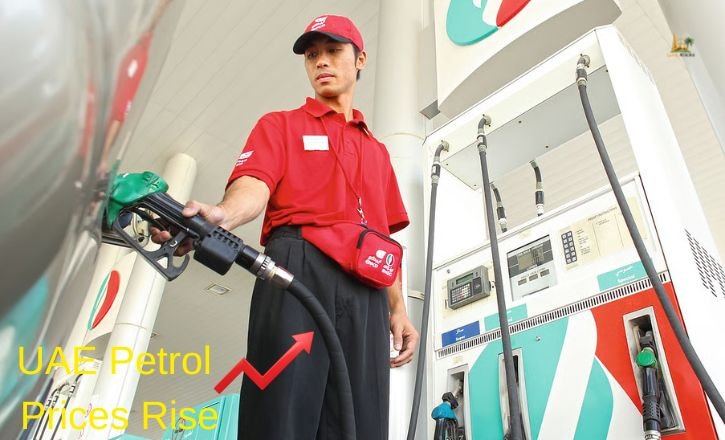
UAE petrol prices have surged by over 16% for October, forcing some residents to reconsider their travel plans. Some motorists are bracing themselves for increased monthly fuel expenses while others are considering using Dubai Metro, public transit or fewer office trips to cut down on commuting expenses.
The new prices took effect from October 1 as the price of all three grades of petrol are above AED 4 per litre. The rise for the month was the third for consecutive months and in an era of high energy prices globally.
UAE Petrol Prices for October 2026
The UAE’s Gasoline and Diesel Prices Follow-up Committee decided on the following rates for October:
| Fuel Type | September 2026 | October 2026 | Increase |
| E-Plus 91 | AED 3.61/L | AED 4.21/L | 16.6% |
| Special 95 | AED 3.69/L | AED 4.28/L | 16.0% |
| Super 98 | AED 3.80/L | AED 4.40/L | 15.8% |
| Diesel | AED 4.30/L | AED 4.80/L | 11.6% |
The new rates, which include VAT, were set by the UAE Fuel Price Committee. The pricing mechanism by month is dependent on the price of energy on the international market.
Dubai Residents Consider Switching to the Metro
Some residents in the Dubai area are already seeing the impact of the higher fuel costs on their commute.
Alwin Pinto, who resides in Al Qusais and works in Jumeirah Lakes Towers, told Khaleej Times that he will leave his car at home and opt for the Dubai Metro to get to work. He is currently paying AED 700 to AED 800 per month for petrol.
Pinto said that the Metro station is near his house and his job is 10 minutes away from the station. He thought an all zone regular Nol pass of AED 350 for 30 days would be significantly less than his monthly petrol expenses, but he still would need petrol for other trips.
He walks for about an hour to get to his Metro station, whereas it takes about 45-50 minutes to drive there.
““The gap is about 15 minutes, so for now I am going for public transport,” Pinto told Khaleej Times.
Some Workers Are Considering Fewer Office Days
The fuel hike is also making some workers consider cutting back on their office travel.
Shabbir Ahmed, who resides in Ajman and works in the vicinity of Galadari Roundabout, Deira, told Khaleej Times that his petrol expenses have already reached AED 1,200 per month. He said that his monthly fuel cost could exceed AED 1,500 if he continued to commute to his office five days a month.
He will be talking to his employer about working at home for a portion of the week, Ahmed said. But it was not approved at the time he spoke with the newspaper.
His example shows that higher fuel prices can impact commuters on long journeys between emirates, where daily travelling distances can be much greater.
Client Visits Could Also Shift to Public Transport
If work travel is a regular part of your job, leaving all your car needs may not be feasible.
But Hameed S, a sales executive in Al Nahda, Sharjah, said he goes to his office in Business Bay once or twice a week, and visits clients’ offices on other days. His company pays him half of his fuel costs, he estimates he will spend an extra AED170 – AED250 per month from his own pocket.
He is going to schedule client appointments by location and take a metro ride when going to offices near a metro station.
This is a way for him to keep driving when he needs to, and switch some trips to the bus or train.
Why Are UAE Petrol Prices Rising?
The rise in October is due to a rise in international energy prices.
Since the introduction of fuel-price deregulation in 2015, the UAE has aligned its retail fuel prices with rise and fall in the global oil market. Therefore, international crude prices, refined fuel prices and other market conditions may have an impact on the monthly rates motorists pay.
Tensions over the Middle East and the Strait of Hormuz, coupled with higher demand, drove oil prices to near $110 a barrel for Brent crude, the National reported during September.
The new hike puts the prices of all three grades of petrol above AED 4 a litre in the UAE.
How Much More Does a Full Tank Cost?
The impact of the price rise depends on the size of the car’s fuel tank.
The cost of the tank in October would be:
- E-Plus 91: AED 252.60
- Special 95: AED 256.80
- Super 98: AED 264
- Diesel: AED 288
There are differences in prices when compared to September, with the cost of filling a 60 litre Super 98 tank of gas now being AED 36 premium, while Special 95 now costs AED 35.40 premium and E-Plus 91 costs AED 36 premium.
This can cost many motorists a great deal if they fill up multiple times per month.
Public Transport Becomes an Alternative for Some Commuters
Another way to decrease kilometres driven is to use public transport for residents whose home and workplace are near Metro services or bus routes.
However, the reactions made by the newest residents indicate that some commuters don’t necessarily intend to abandon their cars altogether. Rather, they are thinking about using a mix of modes of transportation and driving, depending on the trip.
UAE residents have also been reported to be taking trips via Metro on certain days during work, which has also included a reduction of unnecessary journeys and carpools as fuel prices have risen.
Some commuters, for instance, have discovered that taking the Metro to a place that’s well connected by rail saves them money on fuel, parking and tolls and leaves their car free to be used by others when public transportation isn’t as convenient.
Remote Work May Become Another Option
If working hours can be flexed, fewer journeys to and from work might be another option for office workers to manage the costs of travel.
But work from home options are contingent upon the employer and individual job duties. The residents who were interviewed since the price hike in October had plans to discuss working from home with their employers instead of confirmed changes.
This is significant because there are some jobs that simply cannot be done remotely, such as customer-facing or jobs that require being onsite or travelling between locations regularly.
Dubai Residents Adjust Their Travel Plans
The most recent petrol price hike is evoking a variety of reactions from motorists.
Some are heading towards the Metro, others are thinking about reducing their office working days, scheduling appointments, or travelling by public transport for some office trips. Those who need to drive their vehicles can consider other options for reducing unnecessary trips or consolidating multiple tasks into a single trip.
The reported changes to date are at an individual level and do not indicate that Dubai’s residents are abandoning private cars altogether.
What Happens Next?
The fuel prices are reviewed on a monthly basis in the UAE which will leave motorists eagerly anticipating of the next announcement to see if there is any change in petrol and diesel prices.
But October has seen a stark immediate effect, as petrol prices have all exceeded AED 4 per litre, making for more expensive everyday driving.
Some commuters are already in action by using Dubai Metro, public transport, reducing work trips and conversations about remote working.
Even with the fuel price staying near international energy prices, commuting options may start to be more part of people’s focus for helping to lower their monthly bills.
