
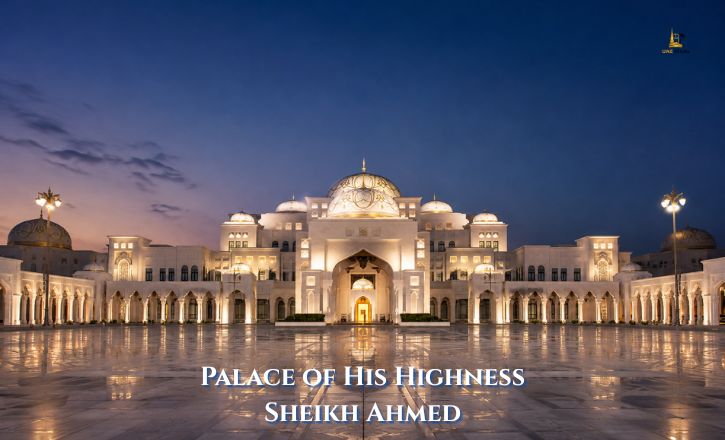
The Palace of His Highness Sheikh Ahmed, Emir of Qatar symbolizes the eminence, politics and architectural excellence of the Kingdom of Qatar. The palace complex is situated in Doha and is a significant place for official ceremonies, diplomatic meetings and state functions. The residence is not open to the public, but it is one of the most-visited landmarks in Qatar due to its magnificent Islamic architecture, immacate landscaping and national significance.
This guide brings in all that you need to know about Qatar whether you’re interested in the royal family of Qatar, architecture, or planning a sightseeing tour around Doha.
Note: Qatar’s royal palaces are official government or royal residences. Not all sections are accessible to the public and photography or access may be limited. Typically the architecture can be appreciated from public spaces and viewpoints.
Overview of the Palace
| Information | Details |
| Location | Doha, Qatar |
| Purpose | Official Royal Residence & Government Functions |
| Public Access | Limited |
| Architecture | Traditional Islamic with Modern Design |
| Best Time to Visit Nearby | October to April |
| Photography | Allowed only from public areas |
| Nearby Attractions | Souq Waqif, Corniche, Museum of Islamic Art |
Who is Sheikh Ahmed?
His Highness Sheikh Ahmed is part of the ruling family of Qatar and one of the figures of the royal family of the country. The members of the royal family are regularly involved in national and international affairs, diplomacy, and cultural and national celebration.
The palace is showcasing Qatar’s leadership, prestige, and efforts to maintain cultural identity whilst at the same time promoting its modern development.
Where is the Palace Located?
The palace is located in the heart of Doha, near to some governmental institutions and administrative buildings.
It is situated in the heart of the city, and within its vicinity, some of the most renowned landmarks are scattered, enabling visitors to explore the city and witness its political and cultural heritage.
History of the Palace
The palace was built using traditional Arabian architecture but applying modernisation techniques of Qatar.
It has been the home of over the years:
- State visits
- Royal ceremonies
- Diplomatic meetings
- National celebrations
- Official receptions
The palace continues to play an important role in Qatar’s governmental and ceremonial activities.
Architectural Design
The palace is a stunning example of traditional Qatari architecture and design, incorporating elements from both the past and the present.
It is characterized by its elegant arches, large domes, decorative stonework, intricate geometric forms and generous courtyards. The palace is surrounded by lush gardens, fountains and palm trees, adding to its grand facade.
Royal palaces in Qatar are famous for their luxurious reception rooms, handcrafted decoration, high-quality marble flooring, crystal chandeliers and traditional Arabic design.
Traditional Qatari Design Elements
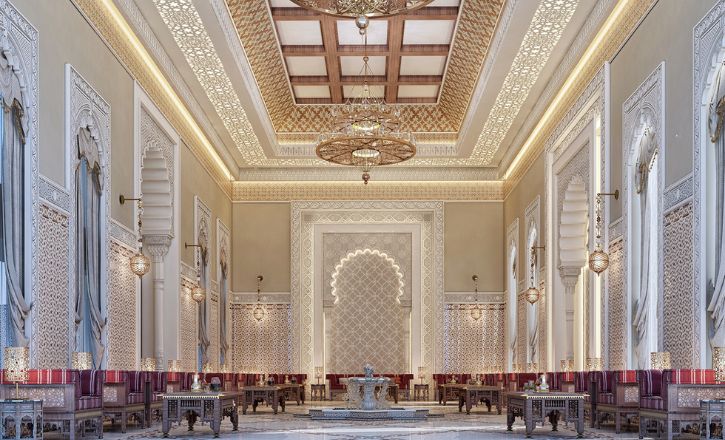
The palace is designed with care and attention to detail, reflecting the rich tradition of Qatari architecture. Older style elements such as large arched entrances, decorative geometric patterns, carved wooden doors and beautiful courtyards that allow for natural ventilation. All of these are integrated with the latest engineering techniques to form a building that is both culturally appropriate and up-to-date.
Gardens and Outdoor Landscape
The palace is surrounded by well-kept gardens and open areas. The royal complex is surrounded by a peaceful atmosphere, with palm trees, colorful flowers, decorative fountains, and well-maintained lawns. These areas are not open to the public but the landscaping adds much to the palace’s spectacle from road and rail up close.
Why is the Palace Important?
The palace is of significance as it is used for:
- A place where the king or queen lives.A home where the king or queen lives.
- A place for negotiations among leaders
- A site to host foreign leaders
- A center for ceremonies, a place for ceremonies to occur.
- A symbol of Qatar’s sovereignty
It is a testament to the rich heritage of the country and its increasing presence in the international arena.
The Role of the Palace in Qatar’s Government
The palace is not only the palace of the king, but also an important point of the official government activity. The Palace is a common venue for the visit of heads of state, ambassadors, ministers, etc., and for international delegations. The palace could also be linked to big announcements, ceremonial meetings and national events, as it is one of Qatar’s most important government landmarks.
Official Ceremonies Held at the Palace
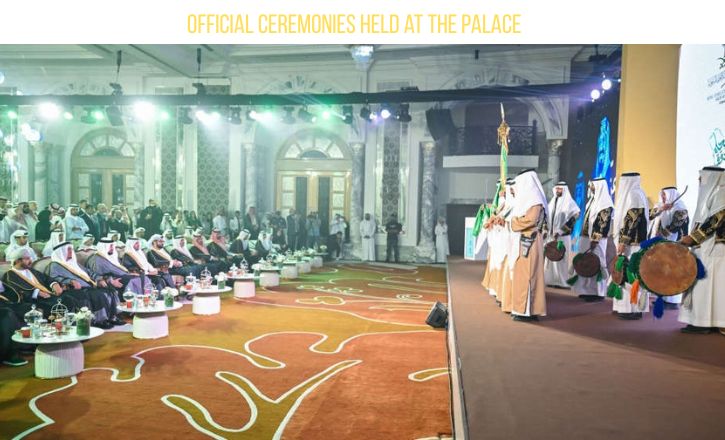
The palace is also a place for many important national and diplomatic events. The complex can host royal receptions, meetings with foreign leaders, award presentations and other ceremonial events. The palace is also the focal point of official hospitality during significant state visits, embodying the traditions and protocol of Qatar.
Cultural Importance of the Palace
The palace represents the leadership, unity and national pride of Qatar. It symbolizes the nation’s dedication to maintaining its heritage and embracing modernization and international collaboration. The palace is photographed for the official publications and media coverage of national celebrations and diplomatic activities.
Can Tourists Visit the Palace?
The palace isn’t a common tourist destination. It is generally not possible to enter the public area for the reason of security and governmental activities.
Visitors can:
- Sit in one of the public areas of the palace and enjoy a view.
- Be impressed by its appearance.
- Take a picture of it (if allowed).
- Take a short tour around attractions in the center of Doha.
Please always adhere to local security guidelines and any photography restrictions.
Travel Etiquette Near Royal and Government Buildings
It is essential to respect local customs and security procedures when visiting areas around Royal properties. Do not go anywhere but in public areas, obey the orders of security officers and do not try to get into closed areas. Gentlemen, ladies, visitors should wear modest and respectful attire, particularly during government activities or official ceremonies.
Security Around the Palace
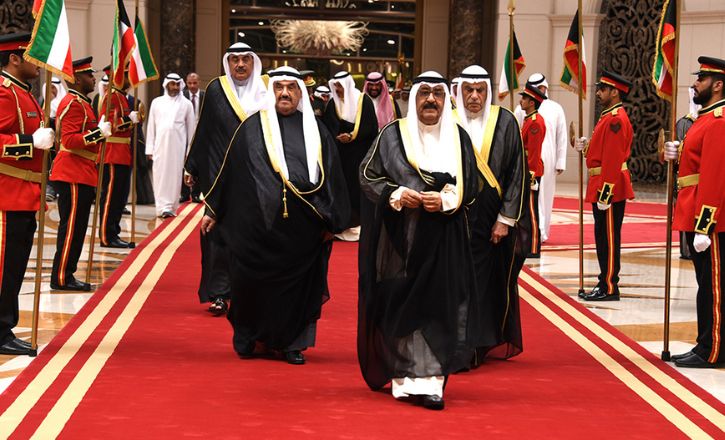
The security is extensive as it is a royal and government location.
Entrance into restricted areas, drone flying, and photography within areas that have restrictions should be avoided. The areas around the building is filled with security to ensure that government operations are not endangered.
Is the Palace Visible from Public Areas?
While access to the palace is limited, there are areas in the palace and the surrounding buildings that can be accessed from the public roads and viewpoints. During the tour of central Doha, tourists appreciate the beautiful facade, landscaping and magnificent entrance gates. Daylight hours are typically the best time to view, as the day offers the best opportunities to see the architectural details.
Best Time to Visit the Surrounding Area
October to April is the most comfortable time to visit and sightsee in Doha, the temperature is not too hot or too cold.
Photography is best in the morning and in the late afternoon when it is lighter, and the temperature is more comfortable outside.
Nearby Attractions
Many of the notable sights are nearby the palace.
| Attraction | Approximate Distance |
| Souq Waqif | 2–3 km |
| Doha Corniche | 2 km |
| Museum of Islamic Art | 3 km |
| National Museum of Qatar | 5 km |
| Msheireb Downtown | 3 km |
| Katara Cultural Village | 10 km |
These can all be done as a day trip.
Attractions You Can Visit on the Same Day
From the palace area, visitors can effortlessly stroll to a number of well-known attractions. Enjoy a morning on the waterfront from the Doha Corniche and then visit the traditional markets and local restaurants at Souq Waqif. Then head to the Museum of Islamic Art to view magnificent collections from all over the Islamic world, before finishing up the day in Msheireb Downtown Doha – modern architecture with a touch of Qatar’s history.
How to Reach the Palace Area

There are a number of ways to get around to the areas around the park.
By Metro
Doha Metro offers a convenient way to get to the heart of Doha, with various stations nearby that will take you to major attractions in the city.
By Taxi
There are three types of taxis in Doha known as Karwa which run throughout the city and direct transport to the palace area are available in the form of ride-hailing services.
By Car
The palace area is accessible via major roads – some streets in the area may be restricted for security reasons.
Parking Information
Rather than a direct connection to the palace itself, there are opportunities for public parking in commercial and public spaces in the vicinity.
Parking is available in designated spots and all traffic laws should be followed.
Photography Guidelines
Photographs of public areas are normally permitted but visitors should not photograph security personnel, entrances that have restricted access, or Government facilities where indicated a sign prohibiting photography is posted.
Obey local authorities’ directions.
Best Photography Spots Near the Palace
There are no photography rules at the palace but visitors can take great photographs around the palace. The views from the Doha Corniche include panoramic views of the skyline and nearby parks and waterfront promenades provide scenic backgrounds with portions of the surrounding government district. Early morning and sunset are the best times for photography due to softer natural lighting.
Nearby Restaurants
Visitors can then explore the palace surroundings, and take advantage of the many dining options available in the area. Dishes are priced to appeal to all palates, and traditional Qatari restaurants, Middle Eastern cafés, international fine dining establishments and waterfront restaurants along the Corniche are all available at different prices. Souq Waqif is a place where the locals cook traditional dishes, serve Arabic coffee and traditional desserts.
Interesting Facts About the Palace
- One of Qatar’s most iconic government buildings.
- It is the palace, which demonstrates the traditional Islamic architecture.
- It is the seat of significant international diplomatic discussions.
- The coronation is celebrated here and there are official ceremonies.
- All surrounding gardens are well maintained year round.
Travel Tips for Visitors
When traveling to the area, please remember the following tips:
- Dress modestly, according to local customs.
- If asked for identification, have it with you.
- Do not enter any restricted areas or barriers.
- Best times to visit are during the day.
- Obey all rules of photography.
- Enjoy the Museum in addition to visiting the Corniche and other local museums.
Frequently Asked Visitor Mistakes
First time visitors might think that the palace is a tourist site, but it is still a working government and royal building. Typical errors are trying to enter restricted areas, not following the signs for photography, parking in the wrong area and not checking for nearby road closures when attending official events. It is important to know these guidelines to ensure a pleasurable and respectful visit.
Conclusion
The Palace of His Highness Sheikh Ahmed is an extraordinary representation of Qatar’s leadership, heritage and architecture. Although visitors are not allowed inside the palace, the magnificent facade and prime location make it a worthwhile visit on a tour of Doha. The palace area is also adjacent to other landmarks, such as Souq Waqif, Doha Corniche, and the Museum of Islamic Art, which make it a perfect spot for cultural and governmental sightseeing in Qatar.
FAQs
Is the Palace open to tourists?
No. It is generally not open to the public since it is an official royal and government building.
Can I take photographs?
Generally, photography is permitted only from public areas where there are no restrictions.
Where is the palace located?
It’s situated in the heart of Doha, next to some of the key government offices and tourist sites.
Is there an entry fee?
There is no public ticket as the palace is not accessible to public tours.
What is the best season to visit?
The best time to visit Doha is from October to April when the weather is nicer.
