
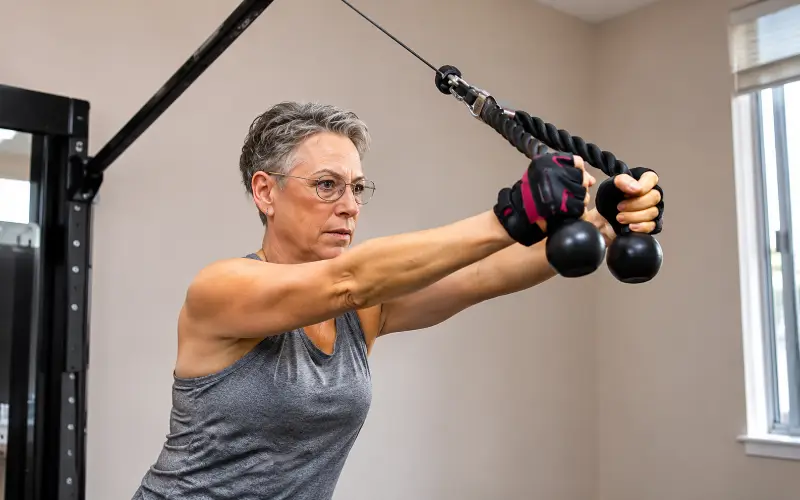
If you step into any gym in Dubai or Abu Dhabi of late, you’ll see something new. Gone is the era of using weights for young people only. People in their 40s, 50s and 60s are increasingly becoming fitness enthusiasts by joining functional fitness classes, signing up for competitions that combine running with strength training, and picking up dumbbells.
That’s a positive development since strength may be one of the least appreciated components of being healthy as you age. While it’s the attention-grabbing cardio that garners most publicity, it’s your muscles that make your movement, balance and independence for decades.
1. Why Muscles Matter More Than You Think
From around our 30s, most of us slowly start to lose muscle. It occurs very slowly and we don’t realize it. It all adds up, though over the years. Shopping bags are more difficult to carry, stairs appear more steep and a minor fall is more likely to be a major one.
Muscle isn’t just used for movement. It assists in managing blood sugar, maintains the well being of your joints and protects your bones. One of the easiest ways to maintain your health as you get older is to keep it strong.
2. It’s Never Too Late to Start
Strength training is a belief that many people have that it is for young athletes or bodybuilders. It isn’t. Research demonstrates that there are few age restrictions on strength development, which can take place in the 70s and 80s.
You don’t have to start out lifting heavy weights from the beginning. Exercises that use body weight such as squats, wall push-ups and lunges are a good place to begin. Next, resistance bands and light dumbbells. The secret is to take small steps to get where you are and gradually work your way up.
3. How Much Is Enough?
Adults should aim to do muscle strengthening exercises at least twice a week on all major muscle groups, according to the World Health Organization. But it’s not two hours in the gym. A little a day, a lot a week makes a difference of 20 or 30 minutes twice a week.
Add in walking or exercise regularly, and you’re on to a great health plan.
4. Strength Is Part of the Bigger Longevity Picture
The focus on longevity – not only on living longer, but living longer healthily – is becoming more and more in the spotlight. Strength, balance and mobility are an important aspect of that.
One of the focus areas of Abu Dhabi’s global initiative, Future Health,, is on this. The program convenes researchers, physicians, policy makers and investors to help people live longer, healthier lives, and is dedicated to one of its key areas of work, longevity.
5. Tracking Progress the Smart Way
Smartwatches and fitness apps have made monitoring workouts, heart rate and recovery easier than ever. With good use they will keep you consistent and alert you to the need for a break. That concept of early detection of changes with the use of something so common as everyday data is currently a popular topic in the health community. At the annual Future Health Summit in Abu Dhabi, health, science and tech leaders will discuss how to sense early signs and symptoms, and prevent bigger health issues later on. Your watch can offer a helpful reminder, but it isn’t a substitute for a doctor.
Conclusion::
Strength training isn’t about looking a certain way. It is having the ability to have grandchildren, walk up and down stairs and remain independent later in life. There are plenty of gyms, classes and fitness events in the UAE to help you get started on your fitness journey. The hours of this session or sessions, maintained over the years, may be among the best hours you invest in health.
FAQs
Is strength training safe for older adults?
Yes, for most people. Begin with small weights or using body weight and practice proper form. Check with your doctor if you have a health condition or haven’t exercised for a long time.
How often should I do strength training?
The WHO suggests adults engage in muscle strengthening activities for at least 2 days a week. Leave a day of rest between sessions that work the same muscles.
Do I need to join a gym?
No. There are plenty of great exercises that you can perform at home using your own body weight or resistance bands. With guidance and motivation, a gym or class can help.
Will strength training make me bulky?
Not likely. Creating big muscle requires an ideal training and diet plan. In most cases, strength training makes people stronger, more stable and toned.
What is Future Health?
Future Health – A Global Initiative by Abu Dhabi brings together researchers, governments, healthcare professionals and investors to advance health around the world. It is edited by the Department of Health – Abu Dhabi.
Read Also: Ramez Mall Dubai
Disclaimer: This content is for informational purposes only. Details may change over time. Readers should verify information with official sources before making any decisions.
