
The diagnosis of congenital defects in the heart changes how parents view the future. The first questions parents ask are about the treatment, timing and team they should trust. Congenital cardiac surgery allows families to access advanced paediatric care in a structured multidisciplinary environment. This guide provides parents with the information they need to make an informed decision at this time, such as how the defects are diagnosed, the surgical options available, how to select a paediatric cardiac hospital in Dubai and the recovery process.
The sections guide parents through each step, from the initial consultation to the long-term follow up. This will help them approach the care of their child with confidence.
Why the Surgery is Important
The parents’ lives are forever changed by a diagnosis of congenital cardiac disease. Talk of surgeons, scans and operating rooms replaces the plans for your first weeks at home.
The surgical outcomes are now better than ever before. Top pediatric cardiac centers now report survival rates of over 95 percent for many procedures. This level of care is now available to families in the UAE without a need to travel abroad. Dubai has developed a program for pediatric cardiac care that can repair complex problems in infants, newborns and older children.
This guide will explain what congenital defects are, how they can be treated, and what to expect during the surgery. It will also tell you which Best Congenital Heart Defect Surgery in Dubai is best for your child.
Congenital heart disease
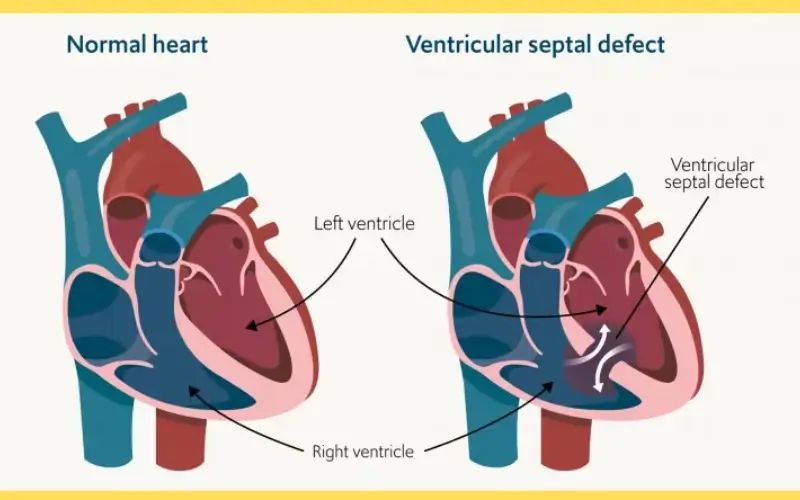
Congenital heart defects are structural problems of the heart. One in 100 babies is affected. These defects are divided into three main groups by doctors. The Acyanotic defect allows enough oxygen to enter the blood, but pumps it abnormally.
- Ventricular septal defect (VSD).
- Atrial septal defect (ASD).
- Patent ductus arteriosus (PDA).
As seen in truncus arteriosus, transposition of great arteries and Tetralogy Of Fallot.
One in four babies born with a heart condition has a severe form of the defect that requires immediate intervention. Approximately half of CHD patients require surgery at some stage. Most of them require surgery within the first 6 months.
How to Plan a Surgery
Diagnostics and Imaging first. Accurate imaging is the first step to planning. Echocardiography is the first test used by pediatric cardiologists. The test is non-radiation and safe for newborns. For complex cases, cardiac CT or MRI may be needed for more detailed anatomical information.
These images are used by the surgical team to decide whether they want a complete repair (fixing all in one operation) or a staged repair (a number of operations over a period of months or years).
The timing of a heart defect depends on its severity
In the first two weeks after birth, a newborn who has transposition of the great arches may require surgery. A baby with moderate VSD may wait several months before attempting to close the hole. The surgeon weighs up the risks of waiting versus those of operating on an infant whose tissues are developing.
Wherever the anatomy allows, primary complete repair is the main goal. This reduces the number operations that a child has to undergo and improves their long-term outcome.
What happens during surgery
Open-heart surgery is the most common procedure for congenital hearts. The child is put under general anaesthesia. The surgeon connects a child to a heart and lung bypass machine that pumps blood while the heart remains still.
The surgeon then opens the heart and closes it with a patch, stitches or other material. He may also repair or replace the abnormal valve or reroute blood vessels if necessary. The heart is then restarted and the bypass machine removed.
The average surgery lasts between three and six hour. The child will spend a few days after surgery in the pediatric intensive unit, where they monitor heart rhythm, blood flow, and oxygen levels.
Recovery and long-term Follow-up
The majority of children are discharged from the hospital in seven to ten working days. The pain is controlled with medication and the feeding is gradually resumed.
It takes two to four more weeks for a full recovery.
Repair is not the end. Around 15 percent of children who undergo congenital cardiac surgery require another operation in later life. The reasons for a second operation include valve replacement, conduit swap, or to address a complication. The standard of care is to have a cardiologist who is trained in adult congenital hearts disease follow you for the rest of your life.
Limitations and risks of congenital surgery
There are risks associated with surgery for congenital cardiac disease. Some complications include bleeding, arrhythmia, and infection.
Both the skill of the surgeons and the volume handled by the center each year influence the outcome. The results of high-volume pediatric cardiac programs tend to be better.
Some children have a single ventricle, and they require three surgeries (the Fontan path) to re-plumb their circulation without returning a four-chamber normal heart.
The cost is also a factor. Congenital heart surgery can be expensive. Before scheduling the surgery, parents should confirm insurance coverage and any out-of pocket expenses.
How to Choose the Right Centre
Families in Dubai are faced with a difficult decision: where to go for care. Choose a center with pediatric cardiac surgeons who are trained in congenital repair, and not only adult cardiac surgery. You should look for a pediatric ICU with on-site anaesthesia and a structured follow-up program.
A team of paediatric cardiologists with advanced training and experience should be part of the best hospital in Mankhool. The same building houses board-certified surgeons and anaesthetists as well as paediatric nurses. This means that your child can receive care in one location instead of having to move between clinics. Within days, tests can begin. This is especially important for newborns.
Conclusion
Over the years, congenital heart defects surgery has improved significantly. Heart defects that once killed infants are now successfully treated; most children who have these operations live active and full-lived lives.
Early Diagnosis. Accurate imaging. Expertise in surgery. Follow-up structured. Families from the UAE do not need to travel to other countries to receive high-quality pediatric heart surgery. It is possible to have the Best Congenital Heart Defect Surgery In Dubai closer to home.
Read Also: Falcon Tower Dubai
