
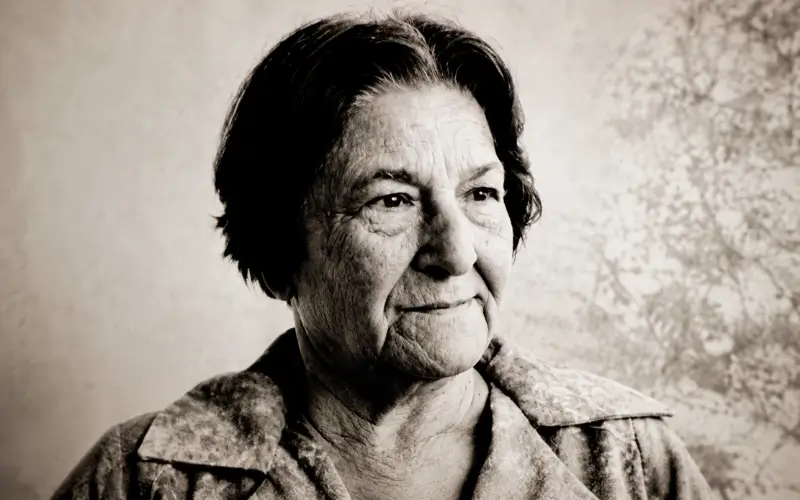
Dr. Saniya Habboub was a Lebanese doctor and one of the pioneers in establishing a medical career in the region. She was born in 1901, studied medicine, and went to work in Beirut. Her career is a legacy of breaking barriers that were broken by women in medicine in an era where women physicians were still a rarity. She was also well-known for her contributions to obstetrics and for her advocacy for women’s access to healthcare. Her history is an important one in the history of women in medicine in Lebanon.
Who Was Dr. Saniya Habboub?
Dr. Saniya Habboub was an innovator in medicine who made a career when women had much to overcome in both education and profession. Born in 1901, she studied medicine at the American University of Beirut. It was an important choice for her to pursue medicine, as it was a male-dominated field at the time.
Upon graduation from medical school, she pursued further education and started a career specializing in women’s health and obstetrics. It is also significant to her career because of the path she established for the other women who wanted to pursue a career in medicine.
Early Life and Medical Education
In the early 1900s, training to be a doctor was no easy task, and the education available was not of the standard that is provided today. Habboub attended the American University of Beirut, from which she obtained her medical degree in 1931. She received her education and went on to become a physician.
During this time, medical education consisted of hard study and hands-on training. It was a great accomplishment to complete a program like that, especially one that was one of the few programs to have a significant number of female practitioners. A significant part of the development of women’s medical practice in the region was her university education and a career that would follow.
Medical Training and Specialization
She went on to receive a medical degree and advanced training in obstetrics. Her interest in obstetrics put her in a field of medicine that was directly related to pregnancy and childbirth. Access to medical support for women was a particular aspect that was of great importance in this field. The Connecticut Historical Society and other historical sources record that she was one of the first women doctors to make a professional career in Lebanon. Her other studies enabled her to gain hands-on experience working alone and treating patients professionally.
Beginning of Her Medical Career
She finished her education and training and moved back to Beirut where she set up her medical practice.Starting an independent practice was an important step in her career. It enabled her to deliver medical care, and also proved that women were capable of establishing successful careers in medicine.
Her efforts slowly began to promote the visibility of women doctors. Her career is thus more than just the practice of medicine. It is part of a broader story of women’s opportunities improving in education, health and the workplace.
Dr. Saniya Habboub and Women’s Healthcare
One of her professional identities was women health care; especially with obstetrics. When women doctors were not readily available, they could have been important alternatives to women patients. Her medical career illustrated the importance of women in health-care professions in direct practice.
It is important to read her story not just as a story of personal accomplishment but as part of the evolution of medical education and women’s professional engagement in the twentieth century.

Professional Work in Beirut
The city of Beirut was to become a key component in her work. Following her medical training she became a physician in the city and remained there. The city was growing as a significant education and medical center which provided trained professionals with the opportunities to develop their careers.
By choosing to practise in Beirut, she found herself in a setting where medicine, education, and career development were gaining significance. Her career also helped to raise awareness of women in medicine.
A Pioneer for Women in Medicine
Among the most compelling aspects for the continued interest in her biography is the fact that she was a woman physician in a time when women’s involvement in medicine was relatively rare. To become a doctor was a long, arduous path that demanded years of study, hands-on experience and dedication. It might be even harder for women of her generation as societal norms may have limited their career and educational options.
Her career proved that women could achieve advanced medical education and establish a successful career.
This historical contribution is an important component of her legacy.
Profile at a Glance
| Profile Detail | Information |
| Name | Saniya Habboub |
| Born | 1901 |
| Died | 1983 |
| Profession | Physician |
| Medical degree | 1931 |
| University | American University of Beirut |
| Medical field | Obstetrics |
| Main professional city | Beirut |
| Historical significance | Early woman physician and medical pioneer |
Education at American University of Beirut
She was greatly influenced in her medical studies at American University of Beirut. Medical studies there allowed her to receive formal academic and clinical training at a reputable institution.
In 1931 she graduated, which was a significant step in her career. It also put her in the ranks of those female doctors from her era who could get advanced degrees.
University education was just one part of her career. She furthered her practical medical training with further professional medical training before becoming a practitioner. Obstetrics and Her Medical Career, 1997.Obstetrics and Her Medical Career, 1997.
Obstetrics and Her Medical Career
The field is related to pregnancy, childbirth and medical care during pregnancy. Having available trained female physicians might be especially beneficial for women who are seeking medical care. Her role in this field was instrumental for her professional identity and in her historical recognition.
However, when writing her biography, it is important not to introduce contemporary medical claims or philosophies for treatment unless they have some historical basis. Her importance lies in her education and professional career, her pioneering role, and her contribution to the history of women in medicine. Women doctors faced challenges in their work.
Challenges Faced by Women Doctors
The workplace of the early 1900’s was entirely different from today. The path of education, social and career barriers were all hurdles for women entering medicine. There were not many women working in medicine, and every success in this area was important. The key to building a practice on his own was to build professional confidence and public trust.
Her career is a reflection of how women slowly began to get into occupations that were traditionally male.
Contribution to Medical History
The book provides an account of the contributions made to the history of medicine. Her contribution can be explained in two interrelated aspects. One, she was a trained doctor and a medical professional. Second, her career will be seen as a step forward in the role of women in the field of health care.
These two aspects make her biography valuable to people interested in medical history, women’s history, and the history of professional education in the region. Her narrative also serves as an example of the impact of education in wider social change. Empowering women with professional education can inspire the next generation to follow in their footsteps.
Dr. Saniya Habboub Historical Legacy
To measure the legacy of one of the forerunners of medicine is not to measure only the number of patients he or she treated. Being a successful medical practitioner for the early women physicians might have a greater impact. It might touch on the notion of women’s professional competence and foster higher education enrollment.
Thus her career has been a part of the history of women entering medicine.This accomplishment is still important today as women make up a significant proportion of the workforce in health care in many countries.
Why Her Story Still Matters
Medical professionals have evolved over the years and historical medical biographies will enable readers to comprehend the development of healthcare professions. Her story reflects the need for medical education and the possibilities that emerge when obstacles to professional education are eliminated.
It also offers an illustration of the way that certain careers can be a part of social transformations.Her life provides a glimpse for students, health professionals, or anyone interested in women’s history of a different time.
Conclusion
Dr. Saniya Habboub played an important role in the history of women in medicine. She was born in 1901, studied medicine at the American University of Beirut, received her medical degree in 1931, undertook medical specialization and began her medical practice in Beirut.
Her career as an obstetrician and early female physician was of greater significance than her own accomplishments.
Her journey is an inspiration to anyone facing similar challenges in their career, and it emphasizes the importance of education and determination in breaking down barriers to professional success. It also demonstrates the importance of the study of the history of women pioneering in medicine and their involvement in professional life.
Read Also: Salama Alabbar
Read Also: Asma Hamza
Frequently Asked Questions
So, who was Dr. Saniya Habboub?
She was a Lebanese doctor and medical trailblazer, practicing medicine in Beirut and for her expertise in obstetrics.
At what age did she become a doctor?
In 1931, she graduated from the American University of Beirut with her medical degree.
Which type of medicine did she practice?
Her career was in obstetrics specializing in women’s healthcare.
In which hospital did she work?
After her medical studies and subsequent training, she set up her medical practice in Beirut.
When was she born?
She was born in 1901.
When did she die?
She died in 1983.
Why is her job important in history?
She was one of the first female doctors in Lebanon and played a pivotal role in establishing the role that women play in the profession.
