
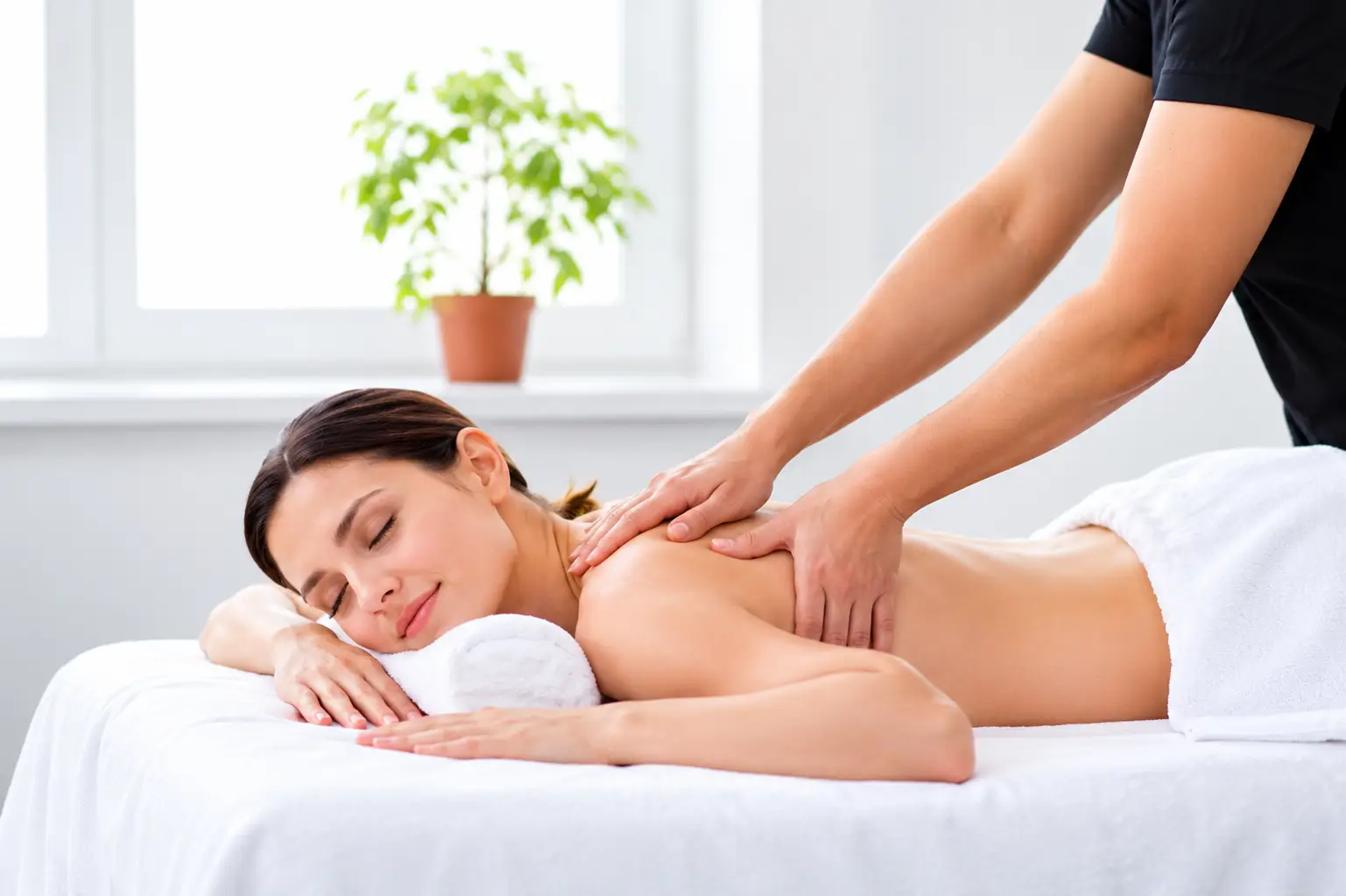
Dubai makes it easy to have almost anything delivered to your door, and massage is no exception. Mobile therapists now cover most central neighbourhoods, from Business Bay and Downtown to Dubai Marina, JBR and Palm Jumeirah. For many residents and visitors, the appeal of a massage at home in Dubai is simple: no driving in traffic, no waiting room and no stepping back out into the heat after the treatment.
If you have never booked one before, this guide covers how it works, how to prepare and what to check before you pay.
How an at-home massage works
You book online or by message, choose the type of massage and its length, and give your address and a time slot. The therapist arrives with everything needed for the session:
a professional, foldable massage table
clean linens and towels
oils or lotions suited to the treatment
You only provide the space. The therapist sets up in about ten minutes and packs everything away afterwards, so you can stay exactly where you are when the session ends. That is the main reason people choose home treatments: after a 90-minute deep tissue session, not having to drive anywhere makes a real difference.
Preparing your space
You do not need a large flat. A good setup needs only a few things:
- About 2 by 3 metres of floor space. This leaves room for the table and for the therapist to move around it. A living room, or a bedroom with the bed pushed aside, works well.
- A comfortable temperature. Dubai apartments are often kept cold. Set the AC a few degrees warmer than usual, because your body cools down when you lie still. 3. Low light and quiet. Close the curtains, silence your phone and let your building’s security or concierge know a visitor is coming.
- A shower nearby. Useful after oil-based treatments or cupping.
Hotel guests can book too. Check the hotel’s visitor policy first, as some properties ask guests to register outside visitors at reception.
Choosing the right massage
The names can be confusing, so here is a short guide to the most common options.
Swedish massage uses long, flowing strokes with light to medium pressure. It is the best choice if you want to relax, sleep better or are trying massage for the first time.
Deep tissue massage uses slower, firmer pressure on the deeper layers of muscle. It suits people with chronic tightness in the neck, shoulders or lower back, which is very common among people who spend long hours at a desk or in a car.
Sports massage focuses on the muscles you train. It is popular with runners, padel players and gym regulars, both before an event and during recovery.
Lymphatic drainage uses very light, rhythmic movements intended to support the lymphatic system. Many people book it for puffiness or a feeling of heaviness, especially after long flights or during the hotter months.
Thai massage combines pressure with assisted stretching and is usually done lightly clothed. It is a good choice if you feel stiff rather than sore.
Pre-natal massage is adapted for pregnancy, with side-lying positions and support cushions. Check with your doctor first, and tell the provider how many weeks pregnant you are when you book.
Couples massage means two therapists working at the same time. It is a popular choice for anniversaries and for visitors staying in villas or holiday homes.
If you cannot decide on a length, choose 90 minutes. Sixty minutes is usually enough for one focus area, such as the back and shoulders. Ninety minutes allows a full-body treatment without rushing.
What it costs
Prices for home massage in Dubai vary widely with the length, the type of treatment and whether travel is included. Before you confirm, always check:
whether travel to your area is included or charged separately
whether there is a surcharge for late-evening sessions
the cancellation policy and how much notice you need to give
Transparent providers publish all of this before you book. As one example, RHEA’s published price list shows the same price for every massage type, with travel included across the areas it serves, along with every add-on, the late-session fee and the cancellation terms.
Questions to ask before you book
A trustworthy provider will answer these without hesitation:
Who is the therapist? Ask about their training and their experience with the treatment you want.
What is the conduct and draping policy? Professional therapists keep you covered with a sheet or towel at all times, except for the area being worked on. Is the booking recorded? A confirmed booking with a clear record of the time, address and therapist protects both you and the therapist.
How do I pay? Paying online when you book is safer than handing over cash at the door.
What if I need to cancel? Look for free cancellation up to a reasonable cut-off, such as 24 hours before.
Be cautious with offers that arrive through unsolicited messages, or from social media accounts with no website, no listed prices and no booking record.
Timing tips for Dubai
Book ahead for weekends. Friday evenings and Saturdays fill up first, especially in the cooler months from October to April, when the city is busiest.
Same-day is often possible. Many services accept bookings a few hours ahead when a therapist is free. Morning slots are the easiest to get.
Plan around your day. An evening massage followed by an early night is a reliable way to sleep well. If you plan to exercise, leave a few hours between a deep tissue session and your workout.
Drink water afterwards. This matters more than usual in the UAE climate, especially after a deep or sports massage.
Is a home massage worth it?
For most people in Dubai, yes. You get a professional treatment without the commute, the parking or the heat, and you can go straight from the table to the sofa or to bed. Quality depends on the provider, so take five minutes to check their prices, their policies and how they handle bookings. Get those right, and a home massage feels like a spa visit without leaving home.
