

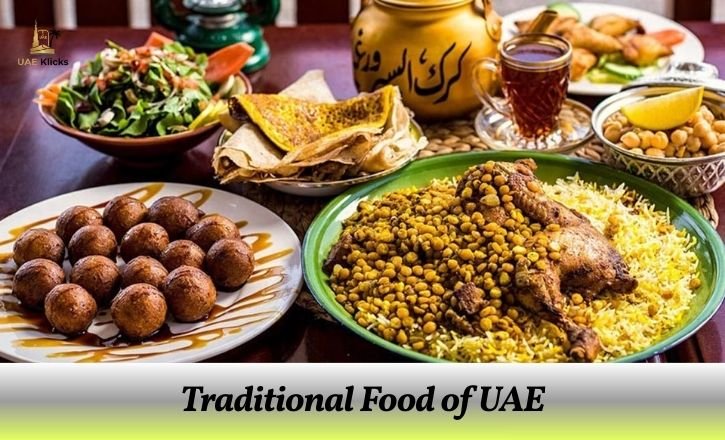
Traditional Emirati food is not just a dish or a set of dishes; it is a narrative of life in the desert, of the Bedouins, and of the Arabian roots of centuries. All of the meals speak of the UAE identity, mixing the coastal flavours with a taste of the desert and warm hospitality. No matter where you go in Dubai, exploring the old town or the desert camp, or even a modern Emirati cafe, the food that is offered will be warm, comfortable, and of unforgettable taste.
We will make an indulgent tour around Emirati food.
Historical Roots of Emirati Cuisine
The Emirati cuisine was created throughout the centuries as a result of the severe desert conditions and local culture. The Bedouin people used dates, wheat, and fish to earn a living and made simple but healthy food. These dishes were developed to introduce the aromatic spices, which formed the flavor that is practical, but not rich, and the food was attached to the cultural identity.
Coastal Influence and Trade Routes
The geographical position of the UAE on the Arabian Gulf allowed it to conduct trade with Persia, India, and East Africa. Local flavors were enhanced with spices such as saffron, cardamom, and turmeric, and seafood was a key component in coastal cuisine. Such a combination of desert and maritime has created a particular culinary tradition that is nowadays being enjoyed.
Generosity and Hospitality in Emirati Culture
Food in Emirati culture is a symbol of hospitality and generosity. Major dishes are made to serve guests, which represent communal values and respect. Both at home and in restaurants, this custom is practiced, and the meals spent together lead to dialogue, bonding, and a feeling of belonging, which are still part of the Emirati eating habits.
The Cultural Significance of Emirati Food Traditions
Meals and Religious Practices
Some of the dishes are particularly important in religious practices. During Ramadan, meals such as harees, thareed, and other slow-cooked meals are usually consumed as they serve as food after one has fasted. The making of these dishes is a conscious activity, which is associated with attention, patience, and intergenerational cultural continuity.
Family and Social Connections
The Emirati family life is centered on meals. Eating usually happens on low tables or floor mats, which promotes intimacy and communication. This arrangement ensures stronger social connections and the focus on sharing, so food becomes the key element of the cultural and family performances.
Preserving Tradition in Modern Times
The traditional cooking methods still exist in spite of urbanization. Hand-made breads, slow-cooked meats, and clay pots are still in use as they maintain the original tastes. Contemporary restaurants tend to innovate these old methods by incorporating modern presentation, which permits tourists to appreciate the Emirati culture and, at the same time, have a comfortable dining experience.
Key Ingredients in Traditional Emirati Cooking
Staple Ingredients
The Emirati cuisine is dependent on dates, wheat, rice, and ghee. Breads and Harees are made of wheat, and main meals are based on rice. Dates are a source of natural sweetness, energy, and nutrients, which have allowed them to remain an important component in both daily and celebratory meals.
Aromatic Spices
The Emirati food is characterized by saffron, cardamom, cinnamon, and turmeric. These spices were historically brought along trade routes and are used in savory and sweet food to add complexity and richness. They are well-balanced so as to enhance the flavors and not to overwhelm the natural taste of the ingredients.
Protein and Seafood
The main sources of proteins are Lamb, goat, chicken, and fresh fish. Coastal areas bring in varieties such as kingfish, hamour, and tuna. These ingredients mixed with rice, vegetables, and spices make up hearty and delicious meals that are served in homes, restaurants, and at the desert.
Traditional Emirati Breakfast: Flavors That Begin the Day Right
Balaleet: Sweet and Savory Vermicelli
Balaleet is made of sweet vermicelli, mixed with eggs, saffron, and cardamom. This is a hearty breakfast, and it is also a cozy meal that gives the distinct flavor of Emirati cuisine creativity. This is something that families like on special mornings, and it still forms a representation of traditional breakfast culture.
Chabab and Khameer: Pancakes and Date Bread
Chabab is a cardamom-flavored pancake; it is commonly accompanied by date syrup or cheese. Khameer is a light bread that has been fortified with dates and honey, which is a wholesome breakfast to dawn the day. They both capture the proportion of sweet and aromatic taste that characterizes the Emirati breakfasts.
Regag and Foul Medames: Crispy Bread and Beans
Regag is a crispy, thin flat bread and can be served with either cheese or eggs, and Foul Medames is made of fava beans. They provide a combination of texture and protein, and the simplicity of Emirati morning meals is demonstrated.
Traditional Emirati Lunch: Hearty Meals Full of Flavor
Machboos: The National Dish
The national dish of the UAE is Machboos, which is made of rice that is cooked with meat or fish and spices, among them the dried limes. This dish is a feast dish, and it is the center of family gatherings, at the same time keeping the traditions and taste, which is characteristic of the Emirati hospitality and cuisine.
Thareed: Stew with Bread
Thareed serves stew at slow slow-cooked with flat bread, and it usually contains chicken and vegetables. It is mostly used in Ramadan and other group meals. The bread will take in the flavored broth, and it will make an overall hearty and warm meal that is the traditional way of cooking something.
Harees and Madhrooba: Slow-Cooked Comfort Foods
Harees is a wheat and meat porridge, and Madhrooba is a spiced chicken or fish dish, which is mashed. They are both simple to eat, nutritious, and ideal during big family events. They are a representation of Emirati slow-cooking methods and focus on the natural flavours instead of elaborateness.
Saloona and Khuzi: Stews and Roasted Lamb
Saloona is a spicy stew of vegetables and meat, and Khuzi is roasted whole lamb over rice. These are some of the staple dishes that are usually cooked on special occasions. They emphasize the hospitality of Emirati food and the significance of sharing meals.
Traditional Emirati Desserts and Sweet Delicacies
Luqaimat: Sweet Dumplings
Luqaimat are fried dumplings made of golden flour and sprinkled with date syrup, usually spiced with saffron or cardamom. These sweets are particularly favorite during Ramadan and cultural holidays, which provide a delicious bite with a crunchy touch for everyone.
Khabis, Mehalabiya, and Other Sweets
Khabis is prepared using roasted flour, ghee, and sugar. The milk pudding is called mehalabiya and is flavored with rosewater, and khanfaroosh and assedat boubar are also offered. These sweets reflect the Emirati innovation in working with simple ingredients to make luxurious, fragrant desserts.
The UAE’s Must-Try Dishes
In case you sample just some Emirati foods, then these are some of the foods that should appear on your list:
- Al Machboos
- Al Harees
- Luqaimat
- Majboos Samak
- Ghuzi
- Thareed
- Chabab
- Saloona
- Samboosa
- Jasheed
- Madrooba
- Khameer
- Regag
- Matchrooba
- Frsee’ah
- Mehalabiya
- Khanfaroosh
The story behind each dish and flavour is different, and that is why they are necessary to everyone who wants to experience the whole Emirati food.
Traditional Emirati Drinks and Refreshments
Arabic Coffee (Gahwa)
Gahwa is made using cardamom, and it is served with dates in small cups known as finjans. The drink is very ritualistic: it is a symbol of hospitality and respect to their culture and traditions, which people usually offer to welcome people.
Karak Tea and Namlet
Karak tea combines black tea, milk, sugar, with cardamom to make a warm and thick tea. Namlet is a carbonated sweet drink that gives old Dubai a delicious feel. The two beverages accompany classic meals and are found to be popular throughout the UAE.
Experiencing Emirati Food During Desert Safaris
Evening Desert Dining
Evening Desert safaris would combine Emirati food and desert adventure. Smoked meats, rice, fresh bread, and desserts are used to dine by stars, which is usually accompanied by cultural events and cooking shows.
Morning Safari Breakfast
Morning desert safari offers light and authentic food such as eggs, bread, dates, and gahwa. The guests can enjoy the sunrise looking over the traditional breakfast taste in the desert environment.
Premium Safari Experiences
Safari tours involving high-end packages have Emirati tasting menus that include several courses of local cuisine. The dining experience is enhanced with customized service, live cooking, and cultural narratives, combining the heritage with elegance.
Where to Eat Traditional Emirati Food in the UAE
Heritage Restaurants
Arabian Tea House and Al Fanar restaurant are both traditional restaurants that offer a distinct cultural experience because they serve their traditional cuisine in heritage-based buildings.
Contemporary Flavors
The restaurants such as Logma and Meylas offer traditional food items with contemporary presentation, at the same time keeping the authentic flavor, which attracts various customers.
Family-Run Local Favorites
Al Mrzab and other restaurants focus on home-style foods, and the cuisine offered there is reminiscent of home-cooked foods in the Emirati kitchen.
Popular Traditional Emirati Dishes and Descriptions
| Dish Name | Primary Ingredients | Description |
| Machboos | Rice, meat, spices | Signature rice dish with dried limes and aromatic spices |
| Harees | Wheat, meat | Smooth, porridge-like dish popular during Ramadan |
| Thareed | Bread, chicken, and vegetables | Slow-cooked stew poured over flatbread |
| Luqaimat | Flour, ghee, dates | Sweet dumplings with crisp exterior and soft interior |
| Balaleet | Vermicelli, eggs | Sweet and savory breakfast dish with saffron and cardamom |
Tips for Enjoying Traditional Emirati Food
Dining Etiquette
It is respectful to take coffee or dates. Serving out of community serveware indicates Emirati hospitality and culture.
Flavor and Spice Levels
The majority of the dishes are bland and fragrant. Harees or thareed should be introduced to beginners as a taste of the finer things as opposed to more complex food.
Cultural Practices
To eat in traditional places, it is the norm that one uses the right hand. Observation of these traditions makes the meal more authentic.
Conclusion:
The traditional Emirati cuisine is not merely a set of foods, but it is the history of the United Arab Emirates, its culture, and hospitality. The perfumed spices of Machboos, the sweet pastry of Luqaimat, will be a story of life in the desert, the maritime exchange, and the family values. Tasting such dishes helps tourists to get a taste of the Emirati culture in any of the heritage restaurants, family-owned restaurants, or when on an immersive desert safari meal. Using local foods, cooking traditions, and sharing meals, one not only gets to taste the flavors that will not be forgotten, but also becomes one with the core of the Emirati culture. To every tourist visiting the UAE, the traditional food is a tourism experience that cannot be forgotten and will produce the wonderful memories of hospitality, generosity, and cuisine.
Traditional Emirati Food FAQs:
Q1. What is the national meal of the UAE?
A: Machboos is regarded as a national dish, which is a tasty rice and meat dish.
Q2: Is Emirati food spicy?
A: The dishes are mostly aromatic, not spicy, and they are centered on flavors such as saffron and cardamom.
Q3: Are Emirati meals healthy?
A: There are several meals made with healthy food like grains, low-fat meat, fish, and vegetables.
Q4: What are the places where tourists can experience the traditional Emirati food?
A: The best options would be heritage restaurants, desert safari experiences, and family-run restaurants in Dubai and Abu Dhabi.



Leave a Reply