

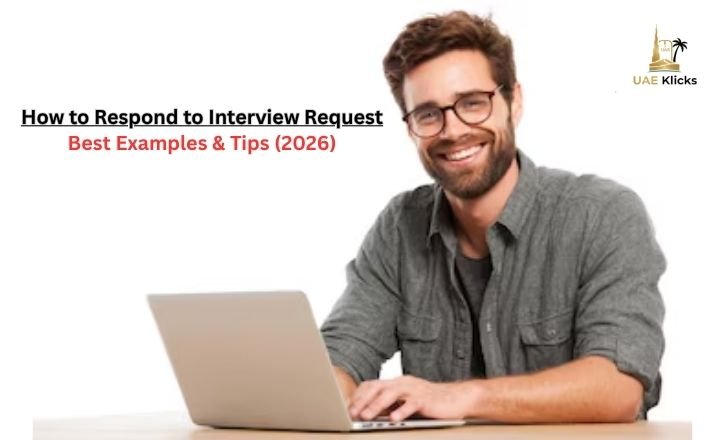
An invitation to an interview is one of the thrilling parts of the job hunt. It is an indication that your resume was memorable and the employer is willing to know more about you. But your reaction to that interview request is as important as your application. An honest and prompt response can make a great impression first and this can help you to get employed.
Here, you are going to be taught to reply to an interview request, example of emails, good practice, and what to avoid doing.
Why Your Interview Response Matters
The reaction you give to an interview invitation is your initial personal contact with the employer. It will be an indication of how professional you will be, your communication and your interest in the job.
A response with good written reply proves that you are well organized and you also respect the time of the employer. Conversely, an ill-written or late reply can also form the wrong perception, prior to the interview process itself.
What employers tend to do is judge the applicants on their modes of communication and therefore it is important to make an effective response in a clear and polite manner.
Explore Part Time Data Entry Jobs in Dubai
What to Include in Your Interview Response
In responding to an interview request, you need to be straight, short, and professional. It must affirm your presence and show how grateful you are to be presented with the opportunity.
Confirm Availability
First of all, you should check whether you are free at the time that is suggested. It would be evident that you should accept the schedule proposed when you find it appropriate. Otherwise, suggest other times in a polite manner.
Express Gratitude
In any case, it is important to always appreciate the employer by acknowledging that he or she has received your application and invited you to an interview. This would demonstrate professionalism and appreciation.
Ask for Details (If Needed)
In case the employer has failed to give you all the information, you can request further information on what the interview format, location or documents he/she needs.
Maintain Professional Tone
You need to be polite and formal in your reply. Do not use colloquialism or abbreviations.
Example: Accepting an Interview Request
The following is an easy and professional way of accepting an interview invitation:
Subject: Interview Confirmation – [Your Name]
Dear [Hiring Manager’s Name],
I would like to thank you and apply to interview on the position of [Job Title]. I am happy to inform you that I will be free to be interviewed at [date] [time].
I am currently anticipating talking about my credentials and getting to know better the position.
I would like to know whether there is anything that I need to prepare beforehand.
Kind regards,
[Your Name]
Example: Requesting a Different Time
In case you cannot be available at the scheduled time, then you can reply with courtesy and give alternatives.
Subject: Interview Availability – [Your Name]
Dear [Hiring Manager’s Name],
I would like to thank you regarding the interview invitation to the position of [Job Title]. I am thankful of the occasion.
Luckily, I cannot be free during the appointed time. Nevertheless, I am willing to take part in the interview at one of the following times:
- [Option 1]
- [Option 2]
You may inform me, whether any of these possibilities suit you.
Kind regards,
[Your Name]
Example: Asking for More Information
The employer might not give all the details at times. When this happens, then it is suitable to seek clarification.
Dear [Hiring Manager’s Name],
I would like to thank you in your letter to interview me regarding the position of [Job Title]. I am highly interested in the opportunity.
Please ensure that you confirm to me whether the interview will be carried out in person or online? I also would like to know more about the format.
Your answer is specially anticipated by me.
Kind regards,
[Your Name]
Common Mistakes to Avoid
Some have made easy mistakes in their answers to interview requests, and that can hurt their chances.
Delayed Response
Too slow in responding can lead to the assumption that you are not interested or disorganized. Always reply within 24 hours.
Informal Language
Do not use colloquialisms or idiom. Always remember to make your communication professional.
Missing Important Details
Ensure that your email contains all the necessary details including confirmation of time and date.
Not Proofreading
Errors in spelling and grammar may give a negative impression. Read once more before sending your message.
Tips to Make Your Response Stand Out
You should make a good impression by responding to it, in a clever and well-constructed way.
Be Prompt
Fast response is enthusiastic and professional.
Keep It Clear and Concise
Avoid long emails. Be brief but informative in your message.
Use Proper Formatting
Have a catchy title, salutation, and organizational paragraphs.
Show Enthusiasm
Show personal interest in position and firm.
Email Response Checklist
Be sure to include:
- You have checked the time of the interview.
- You have employed professional style.
- Your email is free of errors
- You have provided your complete name and contact information.
Conclusion
Being able to react to an interview call is a basic skill in the current employment environment. An appropriate response that is clear, polite, and timely will help establish the environment of a successful interview and increase your chances of employment.
With tips and examples in this guide, you will know how to respond to invitations to the interview and create a positive first impression.
FAQs
What is the speed at which I should respond to an interview request?
It is expected that you reply within 24 hours, demonstrating professional interest and professionalism.
Is it possible to re-arrange an interview?
You can kindly, yes, ask another time when you are not available.
Do I respond to interview requests via email?
No, except as the employer states otherwise.
What tone should I use?
Always remember to write in a professional and polite manner.


Leave a Reply