
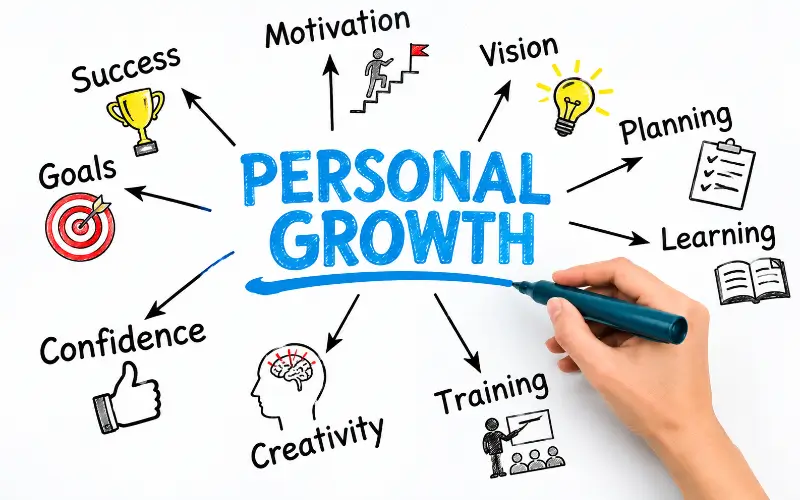
The skills professionals need to succeed are changing as industries embrace new technologies, new ways of working and new business models. Continuous professional development (CPD) provides employees with a tangible way to keep their knowledge up to date, build their capabilities, and stay competitive in a demanding marketplace. For anyone looking to progress in their career in 2027, making time for CPD can open up all sorts of doors.
What Is Continuous Professional Development and Why Does It Matter?
Continuous Professional Development is the process of continually improving your professional knowledge, practical abilities, and workplace skills throughout your career. It’s not just about the qualifications you picked up at the outset of your career. CPD is about staying on top of things as your role and industry evolve. This can be through:
- Formal training
- Online courses
- Professional qualifications
- Workshops
- Mentoring
- Self-study
The idea is to make learning part of everyday working life rather than something that’s only for people going for a promotion or a career change. As organizations continue to grapple with automation, AI and changing customer expectations, employees who keep their skills and knowledge current are in the best position to deal with the new roles and demands placed on them.
CPD also gives you greater control over your own career development. Rather than sitting back and waiting for your employer to identify training opportunities, you can take the initiative and focus on the skills most relevant to your long-term development.
How Continuous Professional Development Supports Career Growth
One key benefit of CPD is career progression. Someone who continually develops their knowledge and skills is a much stronger candidate for promotion, a specialist role, or a new role with potentially better compensation.
Developing transferable skills is, of course, extremely valuable. Communication, leadership, problem-solving, project management and digital literacy are useful abilities across a wide range of industries. Having these skills in your repertoire will help you move into other roles or take on responsibilities outside your current job.
Ongoing learning can also improve performance in the workplace. An employee who is up to date with current industry practice and has the right level of technical knowledge is likely to be more effective at their job and bring new ideas to the table.
There’s a personal benefit too in that learning new skills can go a long way to building professional confidence, especially if you’re in the process of moving into a project management role, leading a team, or moving into a more senior position.
Although CPD itself won’t necessarily lead to a higher salary or a promotion, it will improve your credentials and make you a more attractive candidate when the opportunity arises.
Practical Ways to Continue Developing Your Professional Skills
There are a number of ways in which employees can embed CPD into their working lives. The right approach varies from person to person, depending on their career aspirations, available time, and the skills they want to develop.
Formal learning is one route. You can have accredited courses, professional qualifications and industry-specific workshops. Informa Connect Academy provides a range of professional education across many industries so that you can access the right knowledge and skills in a structured way.
Informal learning can be just as valuable. Reading the trade press, attending webinars, listening to people talking about the industry, and learning from more experienced colleagues can all be excellent ways to develop your skills.
Mentoring and coaching is another practical route. Having someone who’s done it in the field to give you feedback, fresh eyes on things, and guidance on your career path can be useful.
Employees can benefit from combining a number of approaches. An individual looking to develop their management skills, for instance, might take an online leadership course, go to industry events and get feedback from a more experienced manager.
Building a Personal Development Plan That Delivers Results
An effective continuous professional development strategy begins with a clear idea of what you want to achieve. You simply can’t pick the right learning activities or gauge progress without having some specific objectives in mind.
The first step is to identify your existing strengths and areas that still need work. You can do that via performance reviews, a chat with your manager, feedback from your peers, or just by being honest about where you are right now.
Next, you should set SMART objectives (specific, measurable, achievable, relevant, and timebound). For instance, you want to move into project management and have a clear target in mind to complete a recognized project management course in six months. That gives you a focused objective and makes it far easier to track your progress.
Keeping a record of the courses you’ve completed, the workshops you’ve attended, the reading you’ve done and the practical learning you’ve undertaken can help assess how your skills are developing. A professional development log or digital portfolio can be useful for recording your achievements and identifying what you may need to learn in the future.
Plans should be reviewed regularly. Your career priorities may well change, and new responsibilities may require different skills. Adjusting your development goals as a result helps keep learning relevant and productive.
Applying Continuous Professional Development Beyond Traditional Career Paths
Continuous professional development is relevant in a huge range of industries, right through to those where the core of the profession is practical skill and specialist knowledge.
Healthcare professionals, teachers, engineers, accountants, and managers all need to keep their knowledge up to date. Changes in the regulatory environment, technology, research and how the industry works can all affect how people do their jobs.
The same is true of specialist fitness and movement disciplines. A Pilates instructor in Dubai, for instance, would need far more than their initial qualification to keep developing their skills as an instructor. Further education in anatomy, movement principles, equipment techniques and teaching methodology would help them work with a range of client needs.
This is evidence that professional development isn’t just for corporate types or people in traditional office jobs. It happens across industries and is a key way to keep your skills relevant.
Conclusion:
Career progression isn’t just about experience. If you make learning a continuous part of your working life, you’ll keep your skills current, improve your performance at work, and be in a much better position to take on new roles.
Investing in your long-term career can be as simple as a formal qualification, an online course, some mentoring, or specialist training. Making learning a priority in 2027 is the best way to ensure you’re adaptable and confident as the industries you work in continue to evolve.
Read Also: Dream Land Muteena Park Deira
Disclaimer: This content is for informational purposes only. Details may change over time. Readers should verify information with official sources before making any decisions
