
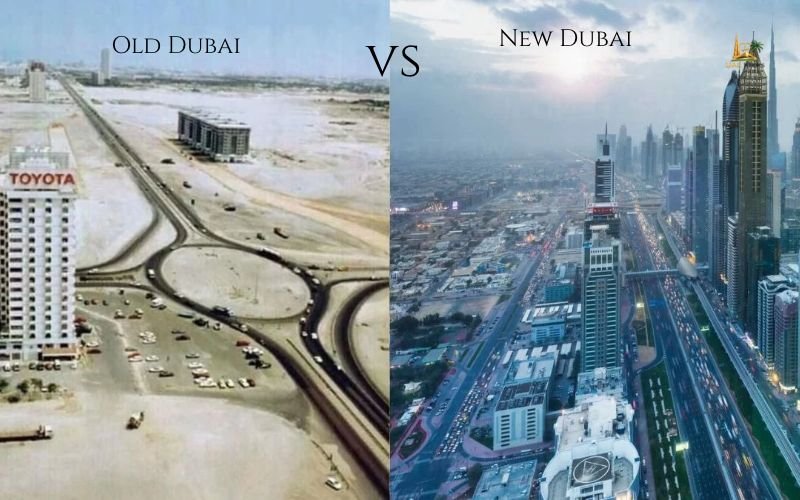
Dubai is a city of traditional Arabian culture and heritage, blending in with the modern architecture, luxurious developments and world-class attractions. In some places, the city still has its old charm with old neighbourhoods and heritage buildings; other spots feature the skyscrapers of the modern era, luxury hotels, shopping malls and waterfront communities.
Old Dubai and New Dubai is not just a matter of buildings. It also embodies the history, culture, lifestyle, shopping experience and urban development of the city. Old Dubai is synonymous with the old sections like Deira, Bur Dubai, Al Fahidi and Dubai Creek, while New Dubai is linked to the modern sections like Downtown Dubai, Dubai Marina, Palm Jumeirah, and Business Bay.
Visitors to, and residents of, both areas have different experiences. While Old Dubai is perfect for delving into the city’s cultural heritage, traditional markets and historic sites, New Dubai appeals to those seeking modern attractions, luxury shopping, beaches, and entertainment.
Here we have a comparison between New Dubai vs Old Dubai, with the location, attractions, lifestyle, transportation, shopping and cost of living.
What Is Old Dubai?
Old Dubai is the historical part of Dubai where traditional communities, trading areas and cultural monuments grew around Dubai Creek. They are neighbourhoods of the previous identity of the city, before it became a great international business and tourist centre.
Dubai Creek was an important part of the development of the city. It was a hub for fishing, pearl harvesting and trade with other regions, linking the area with traders and merchants.
With the growth of trade, Deira and Bur Dubai became commercial and residential neighborhoods. The old markets, small stores, mosques and historic buildings became an integral part of everyday life.
Today, Old Dubai has retained many of these traditions. They can visit the traditional souks, explore the heritage neighbourhoods, go to the museums and waterfront; they can experience a different ambiance from the modern districts of the city.
Main Areas Considered Part of Old Dubai
There are some neighbourhoods that are traditionally linked to Old Dubai. Every area offers a unique history, sights and shopping.
Deira
Deira is one of the most famous historic neighbourhoods in Dubai. Located on the northern side of Dubai Creek, it developed as an important centre for trade and commerce.
The region is also known for its traditional markets, such as the Gold Souk and the Spice Souk. It is an excellent place for those who want to see jewellery stores, spice shops and perfume outlets and traditional trading establishments.
Residential buildings, hotels, restaurants and shopping centres are also found in Deira. It is a vital component of Old Dubai, blending history with modernity.
Bur Dubai
Next to Dubai Creek on the western side is another historic area of Bur Dubai. It is famous for its old townships, cultural heritage and links to the city’s trade heritage.
There are also locations like Al Fahidi Historical Neighbourhood, the historic surroundings of Dubai Museum and the Textile Souk.
Bur Dubai is also home to a number of eateries, housing developments and malls. It’s a place for visitors to explore its traditional streets and travel from Dubai Creek to Deira using the Abra service.
Al Fahidi Historical Neighbourhood
Al Fahidi Historical Neighbourhood is a great destination to explore the traditional architecture and heritage of Dubai.
Narrow lanes, traditional courtyards and historic buildings with wind towers, once used for ventilating the house, characterize the neighbourhood.
It offers visitors opportunities to see cultural spaces, art galleries, museums and traditional houses. It is also a popular tourist destination for history buffs and photographers, thanks to its tranquil streets and well-preserved buildings.
Al Shindagha
Al Shindagha is an ancient waterfront area close to the mouth of Dubai Creek.
It is very close to the early urban development and close to the ruling family of Dubai. It has been restored with heritage buildings and cultural sites such as the Al Shindagha Museum.
The museum experiences offer the chance for visitors to discover Emirati traditions, customs, and maritime heritage, as well as learn about the evolution of Dubai.
Al Seef
Along Dubai Creek lies the waterfront area of Al Seef, which features traditional architecture, coupled with contemporary restaurants, shops and hospitality establishments.
It is designed in the spirit of “old Dubai”, featuring buildings with a traditional heritage look and traditional style streets and views of the Creek.
Waterfront strolls are possible, shopping is available, you can eat in restaurants and experience the evening life in the area.
What Is New Dubai?
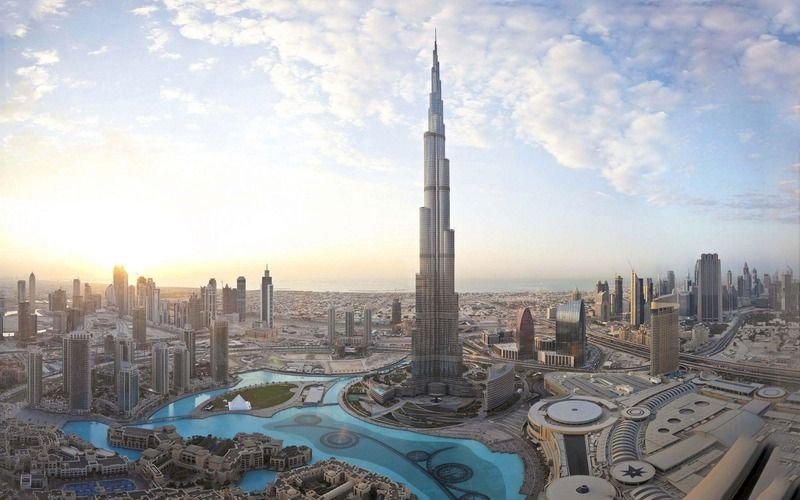
New Dubai is the more modern and rapidly growing sectors of Dubai that have grown out of large scale residential, commercial and tourism developments.
These are all places that Dubai has become an international business hub, shopping hub, entertainment hub, and luxury living home.
Modern neighbourhoods in Dubai are very different in terms of the buildings they boast, the architecture, and the residential developments that they are home to, as opposed to the traditional neighbourhoods of Old Dubai.
New Dubai also has a number of globally famous sites such as Burj Khalifa, Dubai Mall, Palm Jumeirah and Dubai Marina.
Residents, investors, businesses and tourists have new opportunities in the development of the area. It provides 21st century facilities, foreign restaurants, recreational facilities and diverse housing facilities.
Main Areas Considered Part of New Dubai
Below are some of the popular neighbourhoods in Dubai that are often associated with the modern Dubai.
Downtown Dubai
One of the most known modern districts of Dubai is the downtown Dubai district. It features Burj Khalifa, Dubai Mall and some luxury hotels/residential developments.
The area has luxury high rises, green spaces, shopping centers and entertainment.
It is especially favored by visitors who are looking to enjoy the Dubai’s contemporary architecture and prominent attractions all in one place.
Dubai Marina
Dubai Marina is a contemporary waterfront neighborhood with residential buildings, marina views, eateries and recreation.
The district has Marina Walk, where people can enjoy cafes, restaurants and waterfront promenades.
It also features yacht cruises, boat experiences and convenient access to Jumeirah Beach Residence. Dubai Marina is a popular location for those seeking a cutting-edge lifestyle along the shores.
Jumeirah
Jumeirah is one of the popular coastal regions in Dubai with its residential areas, beaches, restaurants, and luxury hotels.
A blend of new developments and mature neighborhoods is available. Some of the popular locations are Jumeirah Beach, Kite Beach and some restaurants located by the beach.
While Jumeirah is considered one of the modern Dubai developments, it has a history older than some of the newer ones, and it’s not as easy to separate Jumeirah from Old Dubai vs New Dubai.
Business Bay
The Business Bay is a contemporary business and residential area close to Dubai Downtown.
It features office towers, apartment buildings, hotels and business facilities. The Dubai Canal offers a waterfront feature to the area, with walking tracks, restaurants and recreation areas.
Being close to Downtown Dubai, it is a desirable choice for professionals and residents looking for access to business centres and modern facilities.
Dubai Hills Estate
Dubai Hills Estate is a modern residential development that surrounds green spaces and recreational facilities.
The area features residential homes, Dubai Hills Mall, parks, family friendly amenities and a golf course.
It is especially favored by families and those seeking a planned residential community that has retail and recreational facilities close at hand.
Palm Jumeirah
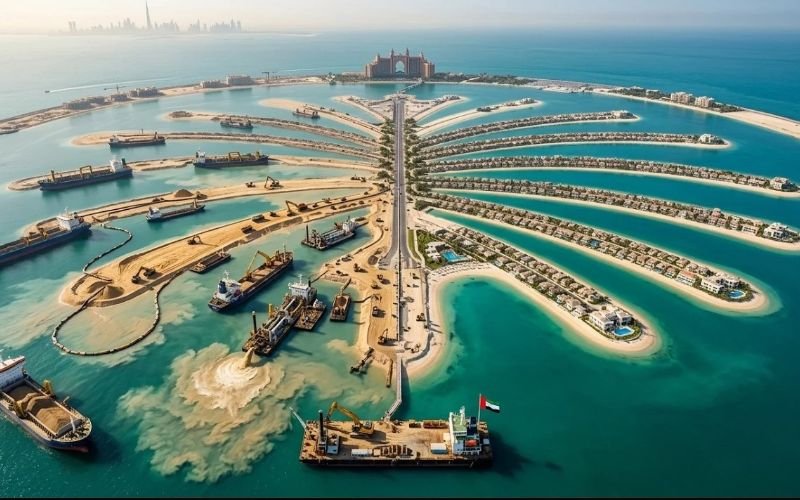
Palm Jumeirah is one of the most iconic modern buildings in Dubai. It is an artificial island built in the shape of a palm tree with luxury hotels, apartments, beaches and entertainment.
Self-explanatory, popular attractions on the island include Atlantis, The Palm, Aquaventure Waterpark and The View at The Palm.
It is very appealing to visitors who are seeking luxury accommodation, ocean front restaurants, and beach activities.
New Dubai vs Old Dubai: Key Differences
Old Dubai and new Dubai are two sides of the same city. Old Dubai is a hint to its history and culture while New Dubai is a representation of its growth and international way of life.
The following table highlights their main differences.
| Comparison Factor | Old Dubai | New Dubai |
| Overall atmosphere | Traditional and historic | Modern and contemporary |
| Architecture | Heritage buildings and wind towers | Skyscrapers and modern structures |
| Popular areas | Deira, Bur Dubai, Al Fahidi | Downtown Dubai, Marina, Business Bay |
| Main attractions | Souks, museums and Dubai Creek | Burj Khalifa, malls and beaches |
| Shopping | Traditional markets and local shops | Shopping malls and luxury boutiques |
| Dining | Local restaurants and traditional food | International dining and fine restaurants |
| Lifestyle | Established urban communities | Modern residential developments |
| Accommodation | Budget and mid-range options | Wide range of modern and luxury options |
| Entertainment | Cultural activities and heritage experiences | Modern attractions and leisure facilities |
| Tourism experience | History and local culture | Luxury, shopping and entertainment |
Historical Background and Development
Old Dubai grew up around Dubai Creek, which was an important fishing and pearl diving hub and international trade centre. Deira and Bur Dubai slowly emerged as commercial and residential hubs.
Dubai’s development took place at a very fast pace and this was aided by the discovery of oil in the region and the subsequent economic development. The city developed beyond the old city via infrastructure, trade, tourism and real estate investment.
New Dubai is the expression of this modern development. The city’s skyline has been transformed by large-scale projects such as Downtown Dubai, Dubai Marina and Palm Jumeirah, creating new tourist and residential destinations.
In the modern context both are integral to Dubai’s identity. Old Dubai exhibits its historic roots and New Dubai that of the modern international city it is today.
Architecture and Infrastructure
The most noticeable difference between the two regions is architecture.
Traditional buildings, narrow streets, courtyard houses and wind towers are highlights of Old Dubai. Some of the historic buildings have traditional construction and embody the architectural heritage of the region.
In contrast to Dubai Old City, Dubai New City is renowned for its skyscrapers, glass buildings, modern residential towers and large commercial developments. The city’s modern architecture is evident in Burj Khalifa.
Infrastructure also differs. Old Dubai has paved roads and traditional markets, whilst newer areas tend to have modern streets, planed neighborhoods and contemporary public areas.
Culture and Lifestyle
Old Dubai has a more traditional vibe, especially in its historic neighborhoods and markets. The residents can enjoy shopping, visiting the local restaurants, and enjoying the waterfront and many other heritage sites.
New Dubai is more international, boasting modern residential communities, luxurious hotels, international restaurants and entertainment venues.
These two regions are multicultural and have a diverse population. The fundamental difference between the two is the nature of the environment and experiences provided in each area.
Best Places to Visit in Old Dubai
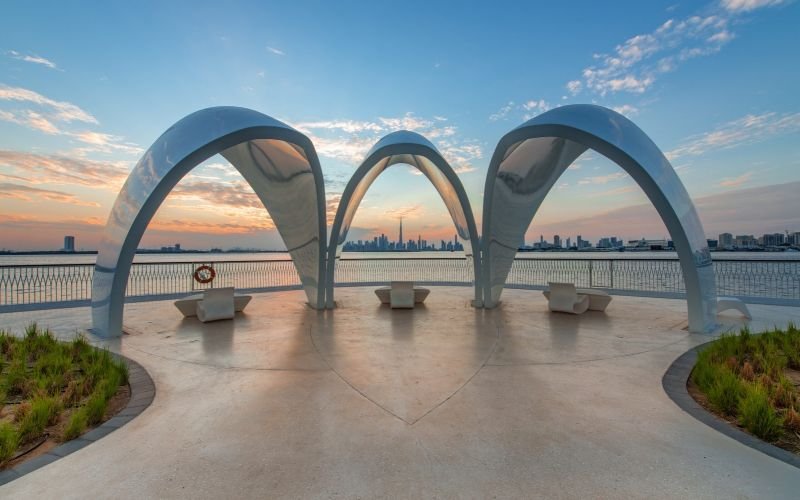
For those interested in the history of Dubai, its traditional markets and cultural attractions, Old Dubai is an excellent place to visit. A number of its popular landmarks can be visited around Dubai creek, allowing you to see more than one on one visit.
Dubai Creek
Dubai Creek is one of the most significant areas in Dubai’s history. It was an important factor in the development of Dubai’s fishing, pearl diving and trading industries.
The waterway divides Deira and Bur Dubai and remains as an interconnection between various sections of historic Deira.
It offers visitors the chance to experience the traditional Abra rides, go for a stroll along the waterfront and see the business along the Creek.
One of the most popular ways of enjoying this historic waterway is by traveling along it with an Abra. It also provides an opportunity to see Dubai from a different perspective.
Al Fahidi Historical Neighbourhood
Al Fahidi Historical Neighbourhood is one of the most noteworthy cultural landmarks of the Old Dubai.
The traditional architecture, wind towers and narrow streets offer a glimpse into the lives of people before the modern development of Dubai.
Heritage buildings, art galleries, cultural space and museums are all available for tourists to explore. The neighbourhood is also a popular location for photography and walking tours.
Dubai Gold Souk
One of the most renowned traditional shopping areas in Dubai is the Dubai Gold Souk. The market is in Deira, and is home to many jewellery stores that can be found selling gold and diamonds along with other precious jewellery.
Users can see various designs, take a look at the products and taste the traditional market shopping.
Tourists who are interested in purchasing jewellery and love the trading culture of Dubai are more inclined towards visiting the Gold Souk.
Dubai Spice Souk
Dubai Spice Souk is close to the Gold Souk in Deira. It is famous for its colourful shops selling spices and herbs, dried fruits, incense and traditional ingredients.
They can learn about various scents, get to know regional items and buy spices for use at home.
This is the traditional Dubai shopping experience and is starkly different from the large modern malls other Dubai locations have.
Dubai Museum and Al Fahidi Fort
Al Fahidi Fort is an important historic building in Dubai and has always been linked with the Dubai Museum.
The fort offers a glimpse into the early history, traditional lifestyle and development of the city.
Please ensure that visitors check the museum’s state of operation and any on-going exhibitions before visiting as entry to the museum and dates may vary.
Al Shindagha Museum
Al Shindagha Museum is a cultural landmark dedicated to showcasing the history and heritage of Dubai.
The exhibitions it hosts include Emirati life, local traditions and customs, maritime history and the city’s connection with Dubai Creek.
It’s a helpful attraction for visitors who desire to discover how the town of Dubai grew out of a small trading town set amid a modern, urban environment.
Al Seef
Al Seef is a blend of old and new along the waterfront.
Dubai Creek is available for strolling and visitors can find heritage-themed buildings, restaurants, cafes, and shopping outlets.
The evening is especially charming as the temperature falls and one can enjoy the ambience of the waterfront and the traditional and modern Dubai.
Grand Souk Bur Dubai
Grand Souk Bur Dubai is a traditional market area of textiles, clothing, souvenirs, perfumes and other local products.
A chance to visit the traditional shopping streets and appreciate the commercial nature of Bur Dubai.
You can shop around and admire the lively atmosphere of the market, visit small shops and goods and compare.
Top Attractions in New Dubai
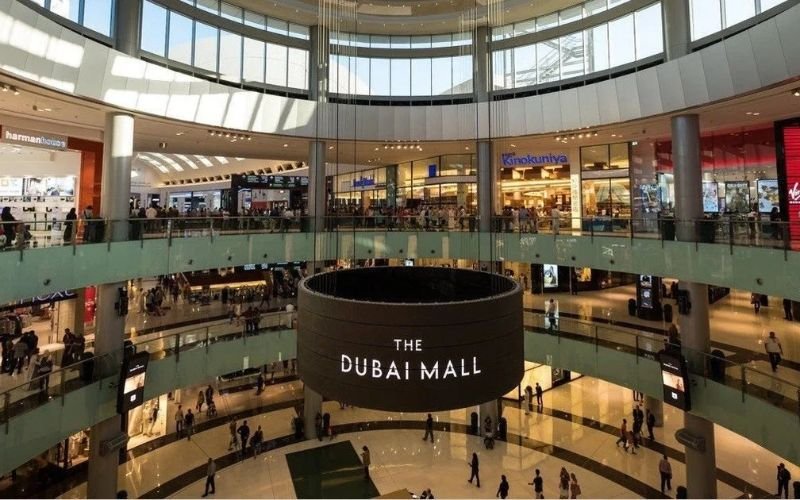
New Dubai provides a modern experience, with shopping malls, luxurious developments and entertainment facilities.
These are some of the most popular attractions to explore:
Burj Khalifa
One of the most recognized landmarks in Dubai is the world’s tallest building, “Burj Khalifa”.
It is situated in Downtown Dubai, and has observation decks which offer visitors a panoramic view of the city, coastline and desert around Dubai.
Other popular attractions like Dubai Mall and Dubai Fountain area are close to the building.
It’s a tourist hotspot for those interested in Dubai’s modern architecture.
Dubai Mall
Dubai Mall is one of the biggest shopping and entertainment centres in Dubai. Located next to Burj Khalifa, it features international retail brands, restaurants, cafes and several family attractions.
Visitors can explore Dubai Aquarium and Underwater Zoo, Dubai Ice Rink and other entertainment facilities.
The mall is also close to the main attractions of Downtown Dubai, making it a popular tourist destination.
Palm Jumeirah
Palm Jumeirah is an artificial island that is characterized by its luxury developments and its palm-shaped design.
It has upscale hotels, condos, beach clubs and waterfront eateries.
Famous places to see are Atlantis, The Palm, Aquaventure Waterpark and The View at The Palm.
Beach activities, eating and sightseeing, luxury hospitality experiences are all available to visitors.
Dubai Marina
One of Dubai’s most sought-after waterfront destinations today is Dubai Marina.
It has a skyline of residential towers, hotels and commercial developments around a large marina.
Visitors can explore Marina Walk, enjoy waterfront restaurants or book yacht cruises. The area also has access to immediate beaches and entertainment areas.
The buildings are illuminated and Dubai Marina is especially popular at night with the lights on, when a distinct city atmosphere is created.
Museum of the Future
The museum of the future is a contemporary architectural landmark in Sheikh Zayed road.
It is a unique building with a torus-shaped structure and Arabic calligraphy on its facade.
On the inside, they can enjoy educational exhibits of future technologies, artificial intelligence, sustainability, space and innovation.
It’s a very popular place for those who are interested in science, technology and future ideas.
Ain Dubai and Bluewaters Island
Bluewaters Island is a new waterfront resort with restaurants, shopping, hotels and entertainment.
It has one of the world’s biggest observation wheels, Ain Dubai.
Guests can enjoy a stroll around the island, a meal and admire Dubai Marina and the sea. Before booking an operation, check Ain Dubai’s operating procedures.
Dubai Hills Mall
Dubai Hills Mall is a state-of-the-art shopping and entertainment center within Dubai Hills Estate.
It’s home to stores, restaurants, cafes and family entertainment.
The mall is perfect for residents and tourists who want to enjoy a new and modern shopping experience outside of some of the busier parts of Dubai.
Jumeirah Beach Residence (JBR)
Jumeirah Beach Residence (JBR) is a very popular beach front locality.
The Walk and The Beach are part of the area, offering restaurants, retail outlets, cafes and outdoor entertainment.
It is a favourite family destination and for visitors and those that enjoy outdoor pursuits due to its beach access and waterfront character.
Things to Do in Old Dubai vs New Dubai
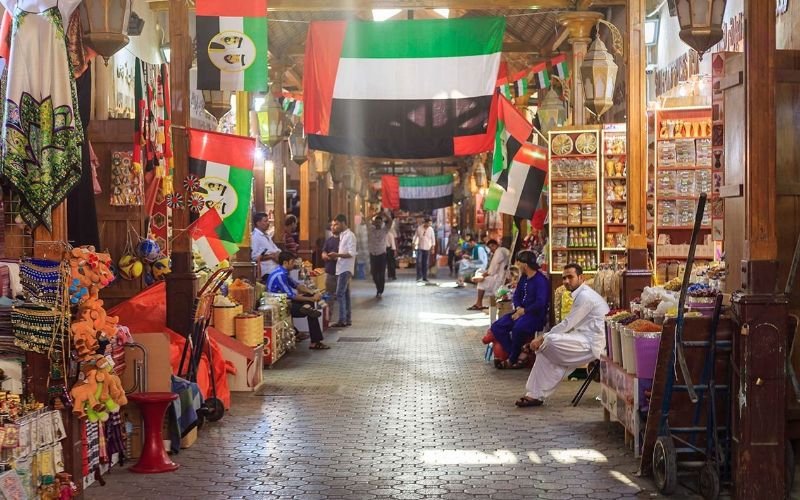
There are a lot of things to do in both places, but very different experiences. Old Dubai emphasises on culture, heritage and traditional shopping, while the New Dubai highlights modern entertainment, luxurious experiences and contemporary attractions.
Things to Do in Old Dubai
Old Dubai offers a number of cultural and recreational activities.
Enjoy a traditional Abra ride on a traditional wooden boat from Deira to Bur Dubai across Dubai Creek. One of the most memorable experiences in the historic part of the city.
Explore historic neighbourhoods: Traditional neighbourhoods to explore by foot, featuring traditional buildings, museums and heritage sites.
Visit traditional souks: Dubai’s Gold Souk, Spice Souk and Textile Souk will allow you to taste of Dubai’s traditional trading culture.
Discover museums: Explore historic museums and cultural events to get to know the city’s history and traditions.
Enjoy traditional food: Take a tour of the local restaurants and cafeterias to enjoy Emirati and Middle Eastern cuisine.
Walk along Dubai Creek: Take a walk along Dubai Creek and visit the traditional markets, shops and restaurants.
Things to Do in New Dubai
If you are interested in modern attractions and entertainment, New Dubai has plenty of options in store for you.
Visit Burj Khalifa: Take in the views from the observation decks of Burj Khalifa, the world’s tallest tower.
Explore Dubai Mall:Shopping at overseas brands, eating at Dubai restaurants and visiting family entertainment facilities.
Enjoy beach activities: Head to Palm Jumeirah or JBR for beach fun and waterfront relaxation.
Take a yacht cruise: Sail around Dubai Marina and the Dubai skyline.
Experience luxury dining: Enjoy international cuisine, rooftop restaurants and waterfront dining destinations.
Explore modern landmarks: Go to the Museum of the Future or other modern attractions.
Shopping Experience: Old Dubai vs New Dubai
The differences between Old Dubai and New Dubai are stark, especially with shopping. The shopping experience is quite different in the two areas, although there are many similar products there.
Shopping in Old Dubai
Traditional markets and boutique shops are the hallmark of Old Dubai. It is famous for its shopping malls, such as the Gold Souk, Spice Souk and Textile Souk.
Gold jewellery, spices, perfumes, fabrics, traditional clothing, souvenirs and regional products are available for visitors to buy.
It is not unusual to have to go to several small shops to shop in these markets, and to compare prices. Some stores may also be able to offer some bargaining if it is the product and seller.
For those who appreciate traditional shopping and are interested in Dubai’s trading history, Old Dubai is a great option.
Shopping in New Dubai
Large shopping malls, luxury retail outlets and international brands are what the New Dubai are known for.
Fashion, electronics, cosmetics, home products and entertainment are available at the Dubai Mall, Mall of the Emirates and Dubai Hills Mall.
These malls also have restaurants, cafés, cinemas and family activities, making these malls a part of the whole leisure experience.
Which Offers a Better Shopping Experience?
This is a choice that will depend on the type of items that visitors want to buy.
Traditional products, gold jewellery, spices, textiles and souvenirs are more appropriate to be sold in the Old Dubai. International brands, luxury shopping and modern retail experiences are better in New Dubai.
Those who have time can visit both to experience various aspects of Dubai’s shopping culture.
Food and Restaurants in Old Dubai vs New Dubai
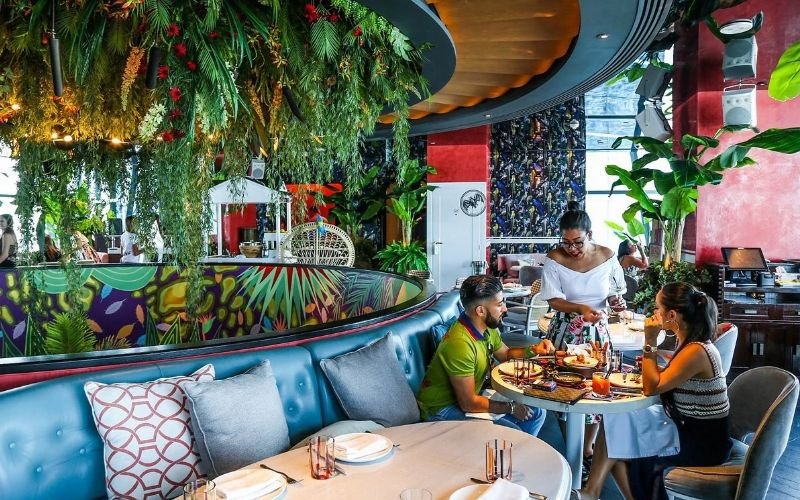
Dubai offers a wide range of food options, and there are differences between the food culture in the traditional and modern districts.
Traditional Food in Old Dubai
There are a number of places available in Old Dubai to delve into Emirati, Middle Eastern and South Asian cuisine.
Traditional style cafeterias, small restaurants and family establishments offer a variety of meats cooked on the grill, machboos, shawarma, grilled fish, falafel and regional rice dishes.
Deira and Bur Dubai, in particular, offer great opportunities for good, inexpensive food and an array of international dishes.
Restaurants and Dining in New Dubai
New Dubai is a place for a more modern dining experience, featuring international restaurants and luxury dining spots, rooftop dining and waterfront cafes.
There are restaurants offering food from all over the world in Downtown Dubai, Dubai Marina, Palm Jumeirah and JBR.
The visitors can enjoy the fine dining, casual dining, international fast food chains, and restaurants with a view of the city’s skyline or coastline.
Which Area Is Better for Food Lovers?
Old Dubai can be a good choice if you like to eat local cuisine and traditional food, and enjoy affordable meals.
New Dubai caters better towards those who prefer luxurious restaurants, international cuisine and contemporary dining spaces.
Both provide a variety of food options, so it’s up to your choice and budget.
Lifestyle and Cost of Living: Old Dubai vs New Dubai
The lifestyles of Old Dubai and New Dubai are different in residential spaces, type of properties, shopping and recreational spaces, etc.
Old Dubai is basically known for their architectural buildings and the old commercial streets. New Dubai has lots of modern developments, luxurious apartment and planned residential communities.
Residential Lifestyle in Old Dubai
The residential area of Old Dubai comprises of Deira, Bur Dubai and established neighbourhoods around.
A mix of apartments, local shops, supermarkets, schools, clinics and restaurants are available within these areas.
Established commercial areas provide residents with easy access to public transit and other services.
Old Dubai might be a better choice for those looking for more traditional urban life, established communities and central locations.
Residential Lifestyle in New Dubai
New Dubai has modern residential options and offers contemporary apartments, villas and gated communities.
There are various residential experience available in different areas, such as Dubai Marina, Downtown Dubai, Dubai Hills Estate and Palm Jumeirah.
Many developments have facilities like a swimming pool, gym, landscaped areas, children’s play areas and dedicated parking.
For professionals, families and residents, these areas could be attractive places to live and enjoy modern housing and recreational amenities.
Rental Prices: Old Dubai vs New Dubai
The cost of renting a house is also a crucial factor for individuals that are thinking about relocating to Dubai.
Instead, established neighborhoods like Deira and Bur Dubai have more availability of relatively affordable apartments than premium neighborhoods like Downtown Dubai, Dubai Marina and Palm Jumeirah.
But rental rates vary due to property size, building age, location, facilities and nearness to public transportation.
| Area | General Rental Position |
| Deira | Generally more budget-friendly |
| Bur Dubai | Budget to mid-range options |
| Al Fahidi surroundings | Depends on property type and availability |
| Downtown Dubai | Generally premium |
| Dubai Marina | Mid-range to premium |
| Palm Jumeirah | Generally luxury and premium |
| Dubai Hills Estate | Mid-range to premium |
| Business Bay | Wide range, often mid-range to premium |
People who are interested in a property in Dubai or visiting the area should consider checking out the latest property listings on Dubai property sites for accurate rental comparisons.
Daily Expenses and Living Costs
Other living costs also differ between residents and how they spend their money on a day to day basis.
Old Dubai offers more traditional supermarkets and independent shops and local restaurants. These can offer you cheap alternatives to the ordinary products you buy.
New Dubai features up to date supermarkets, shopping malls, international restaurants and high-class leisure facilities. There are some budget-friendly choices out there, but others can be more expensive, such as establishments and residential developments.
The payments for transportation, grocery, dining and entertainment are more based on preferences than as a matter of where one lives – whether in Old Dubai or New Dubai.
Which Area Is More Affordable?
As a rule, Old Dubai is less expensive and offers a more traditional experience in shopping and eating in local restaurants.
In New Dubai, there are more luxury residential developments, luxury hotels and modern leisure facilities, which can add to the cost of living.
However, both areas have different price ranges. Before choosing a residential area, residents should research the different homes and living costs.
Transportation and Connectivity: Old Dubai vs New Dubai
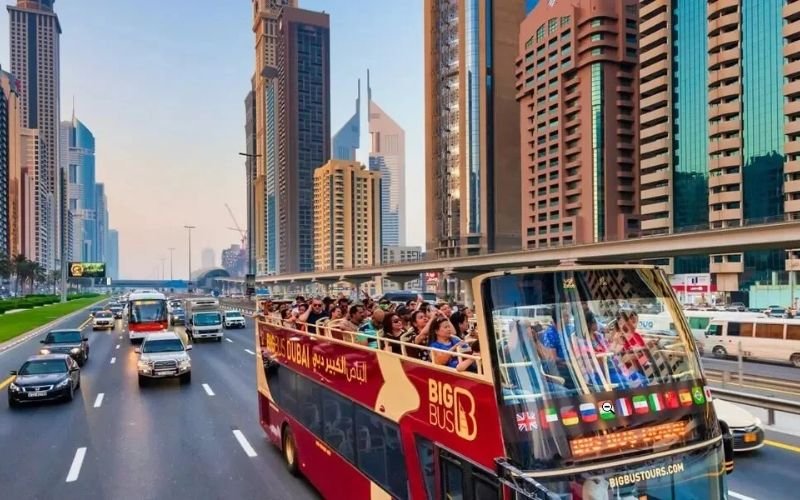
Dubai’s transportation network is quite large and connected between its old neighbourhoods and its new districts.
But choices and ease of travel from one attraction to another is not consistent for all locations.
Public Transportation in Old Dubai
The Red and Green lines of the Dubai Metro run to Old Dubai.
The Green Line links several key historic and commercial districts, such as Deira and Bur Dubai. The Red Line also runs to key points throughout the greater historic city.
The traditional Abra services run through Dubai Creek and offer an easy mode of transportation between certain waterfront locations.
These neighbourhoods also have public buses and taxis.
Public Transportation in New Dubai
New Dubai is linked by the Dubai Metro Red Line which connects to a number of modern commercial and residential areas.
Dubai Marina and JBR are also served by Dubai Tram service that links with selected locations around the waterfront and also connects with Metro.
Taxis, ride-hailing services and public buses offer additional transportation options.
Certain newer residential communities are not directly linked to Metro stations, and may require the use of a private vehicle or feeder bus.
Which Area Is Easier to Explore?
Old Dubai is easily reachable by the visitors interested in visits to historic sites around Deira, Bur Dubai and Dubai Creek. The Metro and Abra and walking routes have a few attractions.
New Dubai also offers good transportation connections, particularly around Downtown Dubai and Dubai Marina. But there are some attractions and residential areas that are dispersed over a larger area.
The Metro can serve as a convenient means of transport for tourists to get from one tourist attraction to another, and taxis can reach areas that are further from stations.
Old Dubai vs New Dubai: Which Is Better for Tourists?
It is up to you to decide between Old Dubai and New Dubai as they offer different experiences.
History enthusiasts, traditional market lovers, and local food and cultural buffs will especially love the Old Dubai. It offers an opportunity to learn about the city’s past history and its heritage.
New Dubai is more apt for those who love contemporary art and architecture, luxury shopping, beaches, entertainment and modern attractions.
Visitors can use the table below to help them decide between the two.
| Visitor Type | Recommended Area |
| History lovers | Old Dubai |
| Architecture enthusiasts | Both |
| Luxury travellers | New Dubai |
| Budget travellers | Old Dubai |
| Traditional shopping lovers | Old Dubai |
| Luxury shopping lovers | New Dubai |
| Beach lovers | New Dubai |
| Cultural experiences | Old Dubai |
| Modern entertainment | New Dubai |
| Families | Both |
| Food lovers | Both |
If you are a first time visitor to Dubai, you should definitely explore both of these areas which will give you the best sense of Dubai’s different identities.
Old Dubai vs New Dubai: Which Is Better for Living?
They can both provide housing but they are different in terms of facilities, property types and overall ambience.
Best for Families
Families might want to live in a community that has schools, supermarkets, parks and recreation facilities.
Old Dubai has well-developed neighbourhoods that feature daily services and access to local stores and public transit.
New Dubai provides modern residential developments, landscaping, children playground and recreational facilities.
Ultimately, the right one is one that will suit the family’s budget, their working environment and their lifestyle.
Best for Working Professionals
For working professionals it is important to take into account the work location, commute and public transport.
If you work in Deira, Bur Dubai and other commercial areas in Dubai, then old Dubai is convenient for you.
New Dubai might be appropriate for those working in modern business districts like Downtown Dubai, Business Bay, Dubai Marina and more.
Living near the job site can help minimize commuting time and transportation costs.
Best for Expats and New Residents
Old Dubai and New Dubai are both a diverse community and has properties ready for expatriates.
Old Dubai might attract those seeking more settled neighborhoods, and property and services that are a bit more affordable.
New Dubai might be more appealing to those looking for luxury facilities and planned communities, as well as modern apartments.
Prior to choosing an area, compare renting costs, transport links, facilities and property conditions in the area.
Can You Visit Old Dubai and New Dubai in One Day?
Visitors can indeed visit some of the attractions of Old Dubai and New Dubai in one day if they plan well.
The best way to do it is to start in Old Dubai in the morning and then move towards Downtown Dubai in the afternoon.
This enables the visitors to visit the traditional markets and the heritage places before visiting the modern landmarks and shopping places.
Suggested One-Day Old Dubai and New Dubai Itinerary
| Time | Activity |
| 9:00 AM | Explore Al Fahidi Historical Neighbourhood |
| 10:30 AM | Visit Dubai Creek and enjoy an Abra ride |
| 11:30 AM | Explore Gold Souk and Spice Souk |
| 1:00 PM | Enjoy lunch in Old Dubai |
| 3:00 PM | Travel towards Downtown Dubai |
| 4:00 PM | Explore Dubai Mall |
| 6:00 PM | Visit Burj Khalifa |
| 7:00 PM | Enjoy the Downtown Dubai evening atmosphere |
This tour is not an exhaustive tour of the two areas, but rather highlights of what is available. If visitors wish to see Palm Jumeirah, Dubai Marina or other heritage sites, they should consider extending their visit.
Best Time to Explore Old Dubai and New Dubai
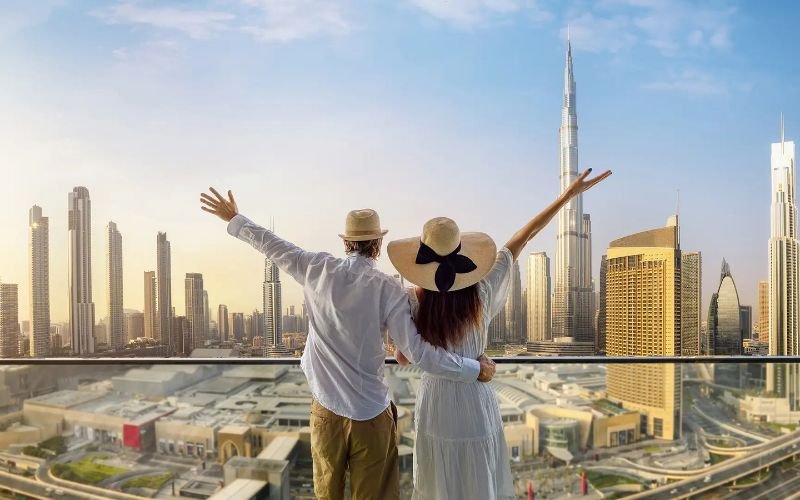
Dubai is a place that can be visited at any time of the year, but the weather also does have a big part to play in planning outside activities.
Best Season to Visit
Exploring Old Dubai and New Dubai is usually the best during the cooler months between October and April.
In this time visitors can take a stroll through historic neighbourhoods and the local outdoor markets, explore the waterfront areas and spend time on the beaches.
During the summer months, it is significantly hotter in the day time, and a range of indoor activities and shopping malls and air conditioned entertainment areas are more appropriate during the afternoon.
Best Time of Day to Explore Old Dubai
It’s an ideal time in the morning to see Old Dubai, its historic neighbourhoods and cultural attractions.
Guests can stroll through Al Fahidi, visit the traditional markets and enjoy Dubai Creek before the heat of the day.
The night time is also good for waterfront visits like Al Seef and for the traditional market ambience.
Best Time of Day to Explore New Dubai
New Dubai is a mixture of indoor and outdoor entertainment.
A morning visit is good for sightseeing and a visit to the big sites. Time spent in the afternoon can be spent at shopping malls, museums, and the like, which are suitable for indoor activities.
Dubai Marina, Downtown Dubai and Palm Jumeirah are well frequented by visitors in the evening time, when they can also see the city from the water and enjoy the lights of the Dubai skyline.
Tips for Exploring Old Dubai and New Dubai
With a little preparation, visitors can enjoy the sites with ease and make the most of their time.
- Wear comfortable shoes: Dubai’s traditional streets and walks are available in Old Dubai and also in modern districts which will require walking between sites.
- Use public transportation: Dubai has a bus network to make it easier to get from one popular destination to another.
- Carry a Nol card: Useful for travelling on the Metro, Tram and public buses.
- Keep some cash: Cash can be helpful when shopping at traditional markets and visiting smaller establishments.
- Check attraction timings: Museums, observation decks and entertainment attractions may operate on different schedules.
- Dress appropriately: Respectful dress when visiting cultural and religious attractions.
- Book popular attractions in advance: If you are going to see such shows as the Burj Khalifa, or the Museum of the Future, make reservations in advance.
- Plan outdoor activities carefully: it can be easier to plan in the morning or evening during the warmer months.
- Allow enough travel time: Old Dubai and modern districts are all spread throughout the city, consider transportation time while planning an itinerary.
Conclusion
Old Dubai and New Dubai are two sides of the same coin, both of which are significant parts of Dubai. Old Dubai is still soothingly retaining the history, culture and traditional trading heritage which molded the early development of the city. The old city districts and souks, museums and Dubai creek allow visitors to see a world of the past.
New Dubai showcases the city’s modernity with amazing skyscrapers, lavish residential projects, shopping centers, beaches and international entertainment centres.
Both the areas are not inherently superior. Old Dubai is perfect for those interested in traditional culture and history, while New Dubai is a modern city with numerous attractions and leisure activities.
If you want to learn about Dubai beyond the skyscrapers, then you should visit both Old Dubai and New Dubai and experience Dubai’s evolution from a historic trading centre to a leading global destination.
FAQs: New Dubai vs Old Dubai
What is the difference between Old Dubai and New Dubai?
Old Dubai is famous for its traditional neighbourhoods, historic souks and Dubai Creek. New Dubai offers modern buildings, shopping centers, waterfront communities, and modern attractions.
Which areas are considered Old Dubai?
Old Dubai is typically referred to as Deira, Bur Dubai, Al Fahidi Historical Neighbourhood, and Dubai Creek. These are areas that are rich in their heritage, traditional markets and older residential areas.
Which areas are considered New Dubai?
The term ‘new Dubai’ is typically used to describe the skyscraper-lined residential neighbourhoods in the city, including Business Bay, Dubai Marina, Palm Jumeirah, Jumeirah Beach Residence (JBR), and Downtown Dubai. It is not an official city boundary, it is an informal term.
Is Old Dubai better than New Dubai?
This is up to your taste. Old Dubai is perfect for discovering Emirati heritage, traditional markets and cultural attractions. Whereas, those who prefer traditional architecture, the old town, and a more relaxed pace can opt for Dubai’s new Al Barsha areas, which are more likely to offer a traditional vibe.
Which is better for tourists: Old Dubai or New Dubai?
Both provide various experiences. Old Dubai is suitable for cultural sightseeing and traditional souks, while New Dubai is for attractions like Burj Khalifa, Dubai Marina and Palm Jumeirah.
Is Old Dubai cheaper than New Dubai?
Old Dubai is generally more budget-friendly for accommodation, local food, and shopping. New Dubai has more luxury hotels, upscale restaurants, and premium residential areas, although affordable options are available in both.
Can you visit Old Dubai and New Dubai in one day?
Yes. In the morning you can visit Dubai in the old part of the city (Al Fahidi and Dubai Creek) and in the afternoon or evening the new Dubai. Please give extra travel time between areas.
How far is Old Dubai from New Dubai?
Distance is variable depending upon which places you compare. For instance, places like Deira and Bur Dubai are nearer to Downtown Dubai than places like Dubai Marina and Palm Jumeirah. The travel time will change according to traffic and mode of transportation.
What are the best places to visit in Old Dubai?
Some of the popular areas are Al Fahidi Historical Neighbourhood, Dubai Creek, Gold Souk, Spice Souk, Al Seef, Al Shindagha.
What are the best places to visit in New Dubai?
Burj khalifa, Dubai Mall, Dubai Marina, Palm Jumeirah, Museum of the future and JBR are all popular attractions.
Is Dubai Creek in Old Dubai?
Yes. One of the iconic landmarks of Old Dubai is Dubai Creek. It divides the historic zone of Deira from that of Bur Dubai, and is famous for its traditional abra crossings and waterfront markets.
Which part of Dubai is best for living?
Old Dubai could be a better choice for those who are looking for a more traditional and established community, with access to local markets and services. If you’re looking for modern apartments, newer facilities, and lifestyle communities, then New Dubai might be for you. The option to choose depends on the budget, commute and individual preferences.
