What Happens When Transmission Fluid Overheats in a High-Torque SUV?
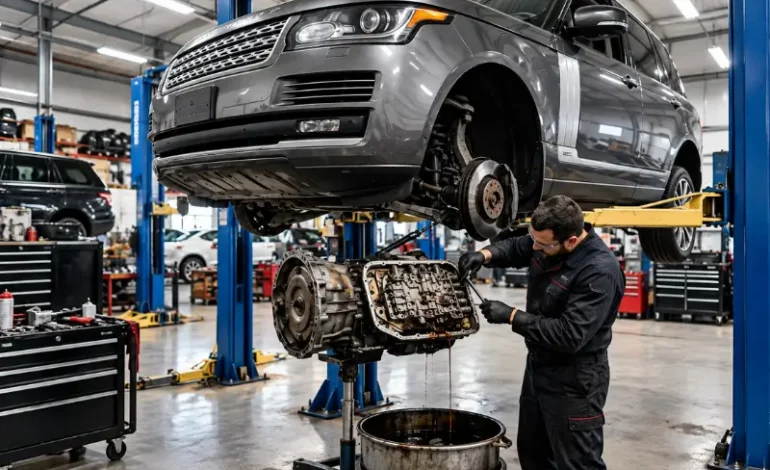
The transmission of a high-torque vehicle can be hard at work to get the power to the wheels. The fluid that is used to protect the internal components of the transmission can lose its effectiveness when it gets too warm. Overheating transmission fluid can cause a reduction in lubrication, resulting in sluggish or rough gear changes. Heat can cause damage to clutch plates, bearings and seals in the gearbox.
In severe cases, transmissions may slip, heat up again or not move the SUV correctly. Understanding the warning signs will help you prevent a minor heat issue from becoming an expensive repair.
Why High-Torque SUVs Put More Stress on the Transmission?
SUVs with high torque produce a lot of pulling power. This is great for towing and carrying passengers as well as driving up steep hills. This power can also put a heavy burden on the transmission. Each gear change generates heat, especially if the SUV is being driven with a heavy load. The transmission can work harder when the vehicle is in traffic, or when it accelerates quickly. This extra heat can be controlled by regularly checking the transmission fluid, cooling systems, and gearbox.
How does excessive heat affect a high-torque SUV transmission?
1. Heat Can Change the Transmission Fluid’s Function
Transmission fluids are designed to lubricate moving components, remove heat, and assist the transmission in shifting correctly. The fluid can lose these properties if it becomes too warm.
In severe cases, repeated high temperatures can cause the fluid to break down and form deposits inside the transmission. In extreme cases, high temperatures repeated repeatedly can cause fluid to breakdown and deposit inside the transmission.
The temperature can increase even more quickly if the fluid is unable to control the heat. This creates a vicious cycle, which puts additional stress on the transmission.
2. Gear Shifts Can Become Rough or Delayed
The way your SUV changes gears can be one of the first signs that the transmission is overheating. The vehicle might hesitate to shift into the next gear, or make a more difficult than normal shift.
Some drivers might notice a slight jerk while accelerating or changing from reverse into drive. The transmission may experience these symptoms if the fluid is too hot.
In the event that these problems persist, having your vehicle inspected by a trusted workshop specializing in gearbox repair in Sharjah will help you find the source of the problem before further internal parts are damaged.
3. Clutch packs can start to slip
Clutch packs are used in automatic transmissions to transfer power from the engine to the wheels. To work correctly, these parts require clean fluid and the correct pressure.
The clutch material may wear out faster when the fluid is too hot and not grip the way it should. Transmission slipping can occur when the speed of the engine increases, but not the speed of the SUV.
The heat generated by a slipping transmission can exacerbate the problem. When this sign appears, it is important to inspect the vehicle immediately.
4. Seals and gaskets may become damaged
Gaskets and seals for transmissions keep fluid in the gearbox, and prevent leaks. These rubber or composite components can become hard, weak or damaged with time due to high temperatures. Fluid levels can drop when a leak occurs. Low fluid levels mean that the transmission has less fluid available to cool and lubricate parts. This can cause friction and heat to increase inside the gearbox.
It is important to not treat a small leak as a minor problem, especially if it occurs in a SUV with high torque that puts heavy demands on the transmission.
5. Even the transmission cooler can struggle with excessive heat
Transmission cooling systems are important in maintaining fluid temperatures within safe limits. Heat may be removed by a separate cooler or a cooler that is linked to the vehicle’s engine cooling system, depending on the SUV. This system can be put under extra strain by towing, long climbs and hot weather. The fluid temperature can continue to increase if the cooler is blocked or cannot remove heat. You can find out the cause of repeated overheating by checking cooler lines, airflow and other components.
6. The temperature of transmissions can be raised by stop-and-go traffic
In heavy city traffic, the transmission of an SUV can suffer because it is constantly changing gears and starting. Transmissions are less likely to cool off when driving at low speeds, and they get more heated if you accelerate repeatedly. Problems can get worse if the SUV is carrying several people or heavy objects. The transmission is more difficult to start in hot weather because it starts at a higher temperature.
When drivers spend long hours in traffic, they should be alert to any signs of burning, delayed shifts or warning lights. They should also have their system checked if these signs are present.
7. Heat Increases Due to Towing and Heavy loads
The engine and transmission have to work harder when you are towing a trailer, or carrying heavy loads. In some cases, the gearbox will need to be in lower gears longer than usual. This is especially true on hills. This causes fluid to heat up and friction to increase.
Even though a high-torque SUV is built to tow, it does not necessarily mean that the transmission will be protected from heat in all conditions. Towing limits should be followed by drivers and the appropriate driving mode used when available.
It is important to maintain the fluids at the right level and in the best condition, especially if the SUV regularly transports heavy loads.
8. A burning smell can indicate fluid damage
Never ignore a strong smell of burnt oil coming from your vehicle. When exposed to too much heat, overheated transmission fluid may develop a burning smell. This smell can be caused by rough shifting, slipping or poor acceleration.
Damaged fluid can also appear darker than normal. These signs are not proof that the transmission has failed. They do, however, indicate that the system requires attention. Continued driving under heavy loads after noticing an unpleasant smell may increase internal wear, and repair costs.
What happens if the overheating continues?
Transmission fluid overheating on a long-term basis can lead to several problems. Friction between internal parts increases as the fluid’s protective qualities decrease. Clutch packs may wear out, bearings may be damaged, and seals begin to leak. When temperatures are too high, they can also affect the valve body and electronic controls. The SUV will eventually have difficulty selecting gears, or it may even stop moving.
If the heat problem is not identified and corrected early, it can lead to major damage to the gearbox.
When should you have your transmission checked?
When warning signs are evident, a transmission inspection is necessary. Burning smells, late engagement, rough gear changes, slipping or a sluggish shift, unusual noises, fluid leaks or unusual sounds can all indicate a developing issue. Transmission warnings on the dashboard should be taken seriously. Technicians can inspect the cooling system, check the fluid, and scan the electronic systems.
Early detection of the problem can protect expensive parts and reduce the risk of having an SUV that is unable to move.
Conclusion:
Overheating can make it difficult to control the transmission of a high-torque SUV. Overheating transmission fluid can cause slipping, a rough shift, or even damage to the clutch pack. Towing, steep hills, heavy traffic and hot weather are all factors that can exacerbate the problem. Gearboxes can be protected by regular fluid checks, and taking quick action if warning signs are visible. Professional gearbox repair will help you identify the problem before it becomes a major issue.
Read Also: Fujairah Bus Station