
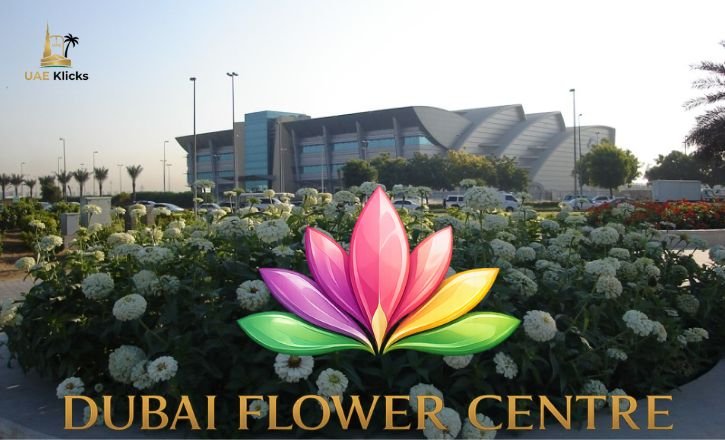
Dubai Flower Centre (DFC) is a high-tech center in the handling, storing, and distribution of fresh flowers and other temperature-sensitive perishables in the world. It is strategically positioned and is located at the Dubai International Airport (DXB), linking the flower growers in Africa, Asia, and Europe to the global markets in the Middle East, Europe, and other regions.
The Dubai Flower Centre is more than just an example of a logistics center, though it is a pillar in the Dubai aviation cargo plan. It bolsters the status of the emirate as a trade center in the world and, at the same time, makes sure fragile high-value goods such as roses in Kenya or tulips in the Netherlands are received in their original condition.
What Is the Dubai Flower Centre?
The Dubai Flower Centre is a special perishable terminal in the Dubai International Airport. Bringing in service temperature-sensitive cargo, it accommodates flowers, plants, fruits, vegetables, and other high-value perishables, which mandate stringent cold-chain controls.
In contrast to the general cargo warehouses, DFC works with:
- Controlled temperature zones
- Rapid transit systems
- Differentiated inspection and customs procedure
- Direct airside access to speedy aircraft loading and unloading
It has one main important role, which is to keep the goods fresh and reduce the transit time.
Strategic Location: Why Dubai Matters in the Flower Trade
Dubai is located at the intersection of Europe, Asia, and Africa. Based on this geographic advantage, flights can reach:
- Europe within 6–8 hours
- Africa within 4–5 hours
- South Asia within 3–4 hours
Such a location positions Dubai as a perfect consolidation center for exporting flowers, particularly by the leading producing nations such as:
- Kenya
- Ethiopia
- India
- Thailand
- The Netherlands
The African farms are regularly shipped to Dubai, where the flowers are sorted and redistributed, and later flown to Europe, the Gulf region, or Asia on long-distance routes and with very narrow freshness margins.
Infrastructure and Cold Chain Capabilities
Dubai Flower Centre is specifically designed for perishables. It has no temperature control feature as an addition, but rather it is the basis of its design.
Temperature Zones
The facility has several temperature-controlled settings:
| Temperature Range | Typical Cargo Type | Purpose |
| +2°C to +4°C | Fresh cut flowers | Preserve bloom quality |
| +8°C to +12°C | Fruits & vegetables | Prevent spoilage |
| Controlled ambient | Packaging & processing | Operational handling |
In this zoned system, the various products are provided with the right environment.
Key Infrastructure Features
- Direct aircraft access to minimise tarmac exposure
- High-speed roller-bed pallet transportation
- Specialized build-up and break-down space
- Combined customs and checking centers.
- Cold storage rooms of high capacity.
By reducing the amount of temperature change, DFC will save the risk of spoilage as well as loss of funds.
How the Dubai Flower Centre Operates
The flower supply chain is a time-sensitive supply chain. Shelf life and market value can be lost in several hours.
Step-by-Step Flow of Operations
- Arrival from Origin
They come in through special cargo aircraft to manufacturing nations carrying flowers. - Rapid Transfer
Goods are immediately transferred to temperature-controlled areas. - Inspection & Sorting
Goods have customs clearance, inspection, and consolidation. - Redistribution
The final markets in Europe, in the GCC, or in Asia re-export shipments.
This stream process will guarantee that flowers usually take less than 24 hours in the facility before proceeding with their transportation.
Economic Importance to Dubai
The Dubai Flower Centre is one of the parties that contribute to the overall strategy of Dubai to emerge as a global logistics hub.
Contribution to the Aviation Cargo Sector
One of the busiest cargo airports in the world is the Dubai International Airport. Perishables constitute a premium segment of such cargo, and flowers are a premium category because of:
- High unit value
- Time-sensitive handling
- Frequent shipment cycles
Through the flower trade, DFC helps in contributing:
- Logistics and cargo handling create jobs.
- Enhancing trade relationships with Africa and Europe
- Non-oil diversification of the UAE economy
Why Growers and Exporters Choose Dubai
To exporters of the flowers, the choice of transit hub is vital. Dubai has several competitive advantages:
1. Speed and Connectivity
Emirates SkyCargo and other airlines have a vast network of routes across the world.
2. Reliability
Regularity in controlling temperature minimizes the waste of products.
3. Market Access
The reasons why the Gulf region is in high demand for premium flowers include:
- Luxury events
- Weddings
- Growth in the hospitality industry.
- Corporate gifting culture
4. Redistribution Efficiency
Dubai serves as an end destination as well as a re-export centre.
Flower Trade Insights: Global Context
The floriculture market in the world has been on the increase due to the need for ornamental flowers, events, and retail lifestyles.
Major Flower Exporting Countries
| Country | Primary Exports | Key Markets |
| Kenya | Roses | Europe, the Middle East |
| Ethiopia | Cut flowers | EU, UAE |
| Netherlands | Tulips, mixed flowers | Global |
| India | Roses, marigolds | Middle East |
Dubai also acts as an intermediary between the production areas and the consumption areas, especially for the Middle Eastern consumers who dema and fast and stable supply.
Sustainability and Environmental Considerations
Cold-chain logistics are very energy-consuming. Facilities such as DFC are being pressured more to rely on efficiency as the world continues to tighten the global sustainability standards.
Areas of Focus
- High-efficiency cooling systems
- Fewer times spent on ground handling
- Optimized flight routing
- Packaging waste minimization
The concept of sustainability is increasingly becoming the competitive edge in the global supply chains of floriculture, and advanced logistics hubs must develop accordingly.
Dubai Flower Centre vs Other Global Flower Hubs
In an attempt to understand its position in the world, it is of good use to compare DFC with other large flower logistics centers.
| Feature | Dubai Flower Centre | Amsterdam (Schiphol) | Nairobi |
| Geographic Reach | Europe, Asia, Africa | Primarily Europe | Export origin |
| Role | Transit & redistribution | Auction & distribution | Production & export |
| Temperature Infrastructure | Advanced multi-zone | Advanced | Limited compared to EU hubs |
| Connectivity | Strong Middle East access | Strong EU access | Strong EU routes |
The city of Dubai has the advantage of an intercontinental connection as opposed to the use of auctions in distribution.
The Role of Emirates SkyCargo
Emirates SkyCargo is one of the primary intermediaries of the movement of flowers through Dubai. Having a great fleet all over the world, it guarantees:
- Rapid long-haul connections
- Dedicated cargo capacity
- Reliable scheduling
One of the main reasons why DFC can work on a large scale is this airline-cargo synergy.
Challenges Facing the Flower Logistics Industry
As the Dubai Flower Centre is very developed, the challenges affecting the industry are endless:
- Fuel cost volatility
- Effects of climate on flower farming
- Regulatory changes
- Raising sustainability requirements
- Direct-to-market route competition
Nevertheless, with these difficulties, centralized hubs such as DFC still provide reliability and scale that cannot be easily imitated by smaller routes.
Future Outlook for Dubai Flower Centre
Due to the growth of global trade and rising consumer demand for fresh flowers in the Middle East and Asia, the role of the special perishables hub will be enhanced.
The future developments might include:
- Expanded capacity
- Automation in cold storage
- AI-driven cargo tracking
- Increased sustainability technologies
The long-term logistics vision of Dubai implies that DFC will continue playing a major role in the high-value and perishable trade.
Key Takeaways
- Dubai Flower Centre is a specialty cold-chain logistics center at the Dubai International Airport.
- It links key areas of flowers to the international markets.
- Its multi-zone temperature system keeps its products fresh and minimizes waste.
- The geographical position of Dubai is also a good strategic advantage.
- The centre has an important role in non-oil economic diversification in the UAE.
Conclusion
The Dubai Flower Centre is not just a warehouse but an international point of entry for fresh flowers and perishable goods. It has ensured that sensitive cargo is transported fast and efficiently across continents using high-tech cold-chain logistics, strategic positioning, and good airline alliances.
To growers, exporters, wholesalers, and retailers, DFC is known to be reliable, fast, and global. The Dubai Flower Centre will always be an important component in the global floriculture supply chain as long as the demand for fresh flowers keeps increasing in the Middle East and Asia.
FAQs
What is the location of the Dubai Flower Centre?
However, it is situated in the Dubai International Airport (DXB), the United Arab Emirates, where the Dubai Flower Centre is situated, directly accessible through the airside to facilitate quick cargo clearance.
What is the Dubai Flower Centre dealing with?
It mainly deals with fresh cut flowers, plants, fruits, and vegetables, among other perishables that are sensitive to cold and demand careful management of cold chains.
Why is Dubai significant in the trade of flowers in the entire world?
The strategic position of Dubai between Europe, Asia, and Africa ensures that it is the right transit and redistribution centre of flower exports, particularly from Kenya, Ethiopia, and the Netherlands.
What is the freshness in Dubai Flower Centre?
To maintain the quality of products, the facility has multi-zone temperature-controlled storage, high-speed product transfer, and a reduction of the ground contact of the product.
Does Dubai Flower Centre open itself to the community?
No, the Dubai Flower Centre is an exclusive cargo handling unit with no openness to the general population and tourists.
